

By Mishael Taruc
Hate the Chinese. Love the Chinese. Rinse and repeat.
John Shiga, a professor in the School of Professional Communication at Toronto Metropolitan University (TMU), said the pendulum has swung from the heightened sinophobia of the COVID-19 pandemic to today’s ‘Chinamaxxing’ boom on TikTok.
However, Chinese TMU students question whether the latest For You page darlings—Tai Chi, hot tea, herbal skin care—could lead to a deeper understanding of their culture.
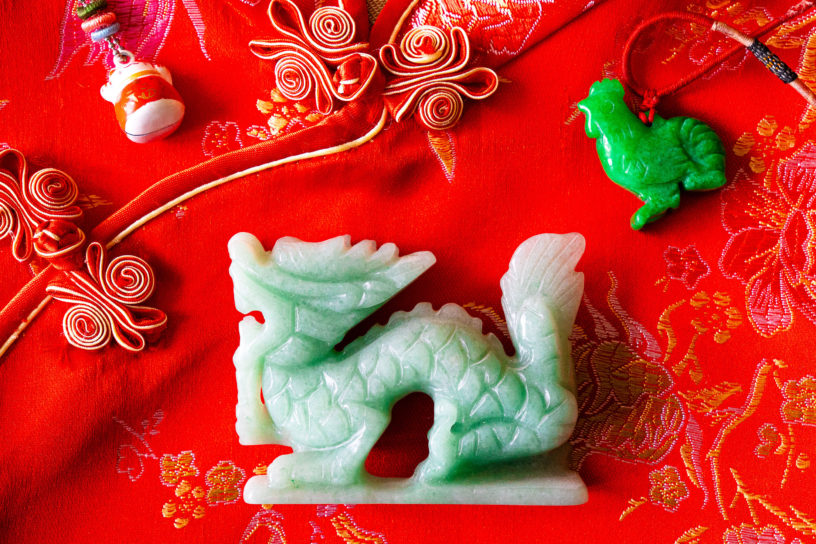
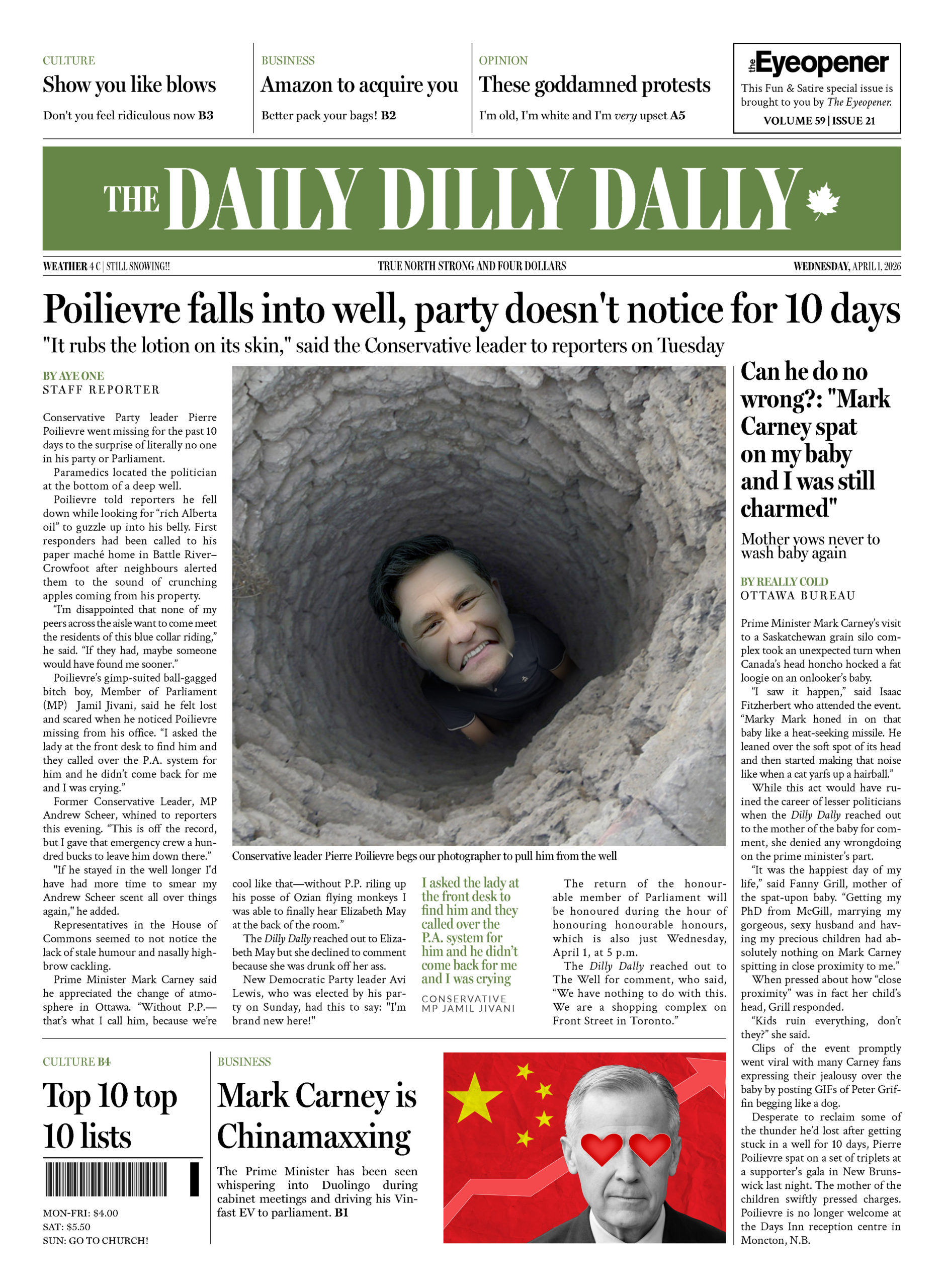
A surge of Gen Z users on TikTok are proclaiming to be in a “very Chinese time” of their lives. They’re adopting Chinese lifestyle habits such as keeping the neck and feet warm, drinking hot instead of cold drinks, wearing slippers inside the house and practicing Tai Chi every morning. In short, Chinamaxxing.
Veronica Chan, a third-year biomedical engineering student, said it felt nice that her culture is appreciated. However, it felt like Chinamaxxers were “taking the very simple aspects of it and appreciating those and kind of ignoring” the others, she said.
At first, Audrey Chen, a third-year global management student, felt represented seeing her culture viewed positively.
However she, “realized it was becoming one of those things where non-Chinese people are profiting and benefiting off of this Chinamaxxing content,” she said.
“There’s a real sort of flattening of a culture,” said Shiga.
The trend simplifies a culture into a handpicked list of wellness tips because it’s quick and low-effort to put together in a short-form video, without extensive cultural knowledge, he said.
Chen still remembers the 2020 lockdowns when Chinese people endured threats and harassment, including being called “bat eaters.”
After all the damage done, she said the wave of appreciation for Chinese culture online “feels like the celebration of progress, but only as a function of hindsight.”
“We’re not taking accountability in the moment,” Chen said.
The love-hate relationship of the West with Eastern cultures is nothing new, said Shiga. “Surges of interest in Asia happen after a period of hostility or suspicion.”
After the Second World War, martial arts were all the rage in the 1960s and 70s, he said. Sushi had the spotlight in the 80’s and 90’s. In the 2000s, K-pop music gained North American fans.
However, Shiga said the Chinamaxxing trend does not have to be short-lived and surface-level. “It’s possible that for some folks it is an opening to, hopefully, a longer-term and deeper engagement,” he said.
Catherine Cho, a first-year fashion student, however, finds that East Asian trends blowing up in the West can help the diaspora youth connect better with their roots.
Growing up Korean-Canadian, Cho felt “whitewashed” and disconnected from her heritage.
However, Korean trends popularized in the West became the bridge between her and her new international student friends who grew up in Korea. They found common ground in the globalized online space they navigate.
Chen enjoys the cross-cultural learning online, as long as content creators do their research and are “knowledgeable on the things you’re sharing to the world.”
Non-Chinese people interacting with the trend should lead with openness and respect, especially when exploring parts of her culture that may be less appealing
to the Western palate, said Chan.
Chen hopes that genuine appreciation for her culture continues beyond social media trends and won’t be replaced by hate once the pendulum swings away from her, her people and her culture.






Leave a Reply