


By Hannah Thompson
For a university with nearly 48,000 students, it might be expected that Toronto Metropolitan University (TMU) would have an equally bustling recreation scene as its athletics. Across the Recreation and Athletic Centre (RAC) and Kerr Hall gyms, a handful of student-run clubs continue to move, train and build community, even when most of campus doesn’t notice.
“The Community Running Club is a relatively new club at TMU,” said club president Anthony Quach. “We started last year, so we’re now two years old. Our club invites students from every level of running experience, from beginners to advanced, to join us for more than just running, to socialize, explore the city and enhance our overall well-being.”
The team meets three times a week for five to six kilometre runs around downtown Toronto, adding longer weekend sessions as the weather allows. However, Quach admits that the biggest hurdle isn’t endurance, it’s visibility.
“I really hope [students] know we exist,” he said. “TMU is a commuter school, and everyone’s schedule is different. But we’ll always try our best to host runs when most students are available.”
While TMU’s athletics department provides funding, Quach says the real challenge is cutting through the “commuter conflict.” Between jobs, transit and burnout, maintaining engagement is a marathon. “Don’t just commute to TMU,” he said. “Experience what TMU has to offer.”
In a statement describing its Recreational Clubs program, the school says its goal is “to offer a broad range of student-led and student-focused sport and physical activity clubs, offering both a community of shared interest that contributes to a spirit of belonging at TMU, and also an opportunity for instruction and skill development.”
This sentiment is shared elsewhere. Heather Jackson, coach of the Trampoline Club, said her small group bounces between enthusiasm and obscurity.
“Sometimes people will walk by the gym in Kerr Hall and pop their heads in like, ‘What’s this?’” Jackson laughed. “And I tell them, ‘It’s the TMU Trampoline Club,’ and they’re always so surprised; they had no idea we even had one.”
Limited promotion comes down to time. Jackson, who works another full-time job, hasn’t been able to attend TMU’s orientation fairs. “I feel bad about that,” she said. “We used to set up a trampoline in the [Kerr Hall] Quad for Welcome Week, and it drew a lot of interest. I’d love to bring that back.”
Without permanent facilities, their folding trampolines are set up and taken down each practice. Jackson believes TMU’s commuter culture makes it harder for clubs to thrive. “When I was a student, living in residence helped me discover what clubs existed,” she said. “But most TMU students don’t live on campus, so they just don’t hear about us.”
That invisibility extends to TMU’s martial arts scene.
“We’ve got some amazing martial arts clubs at TMU,” said Michael McCarthy, principal instructor of the Karate Club. “What makes ours unique is that it’s less focused as a sport and more on self-defense. We really care about the personal development of all our members.”
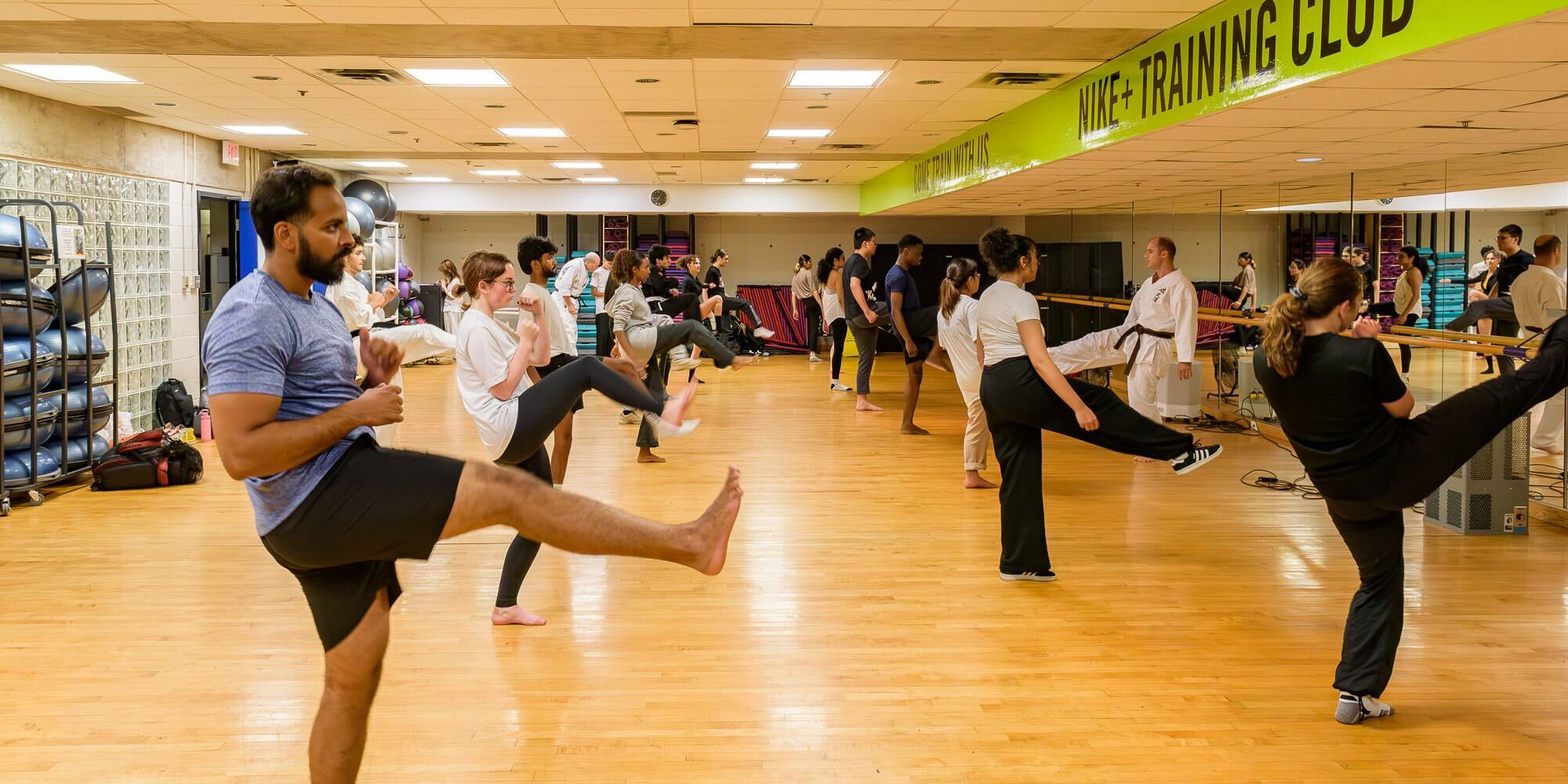
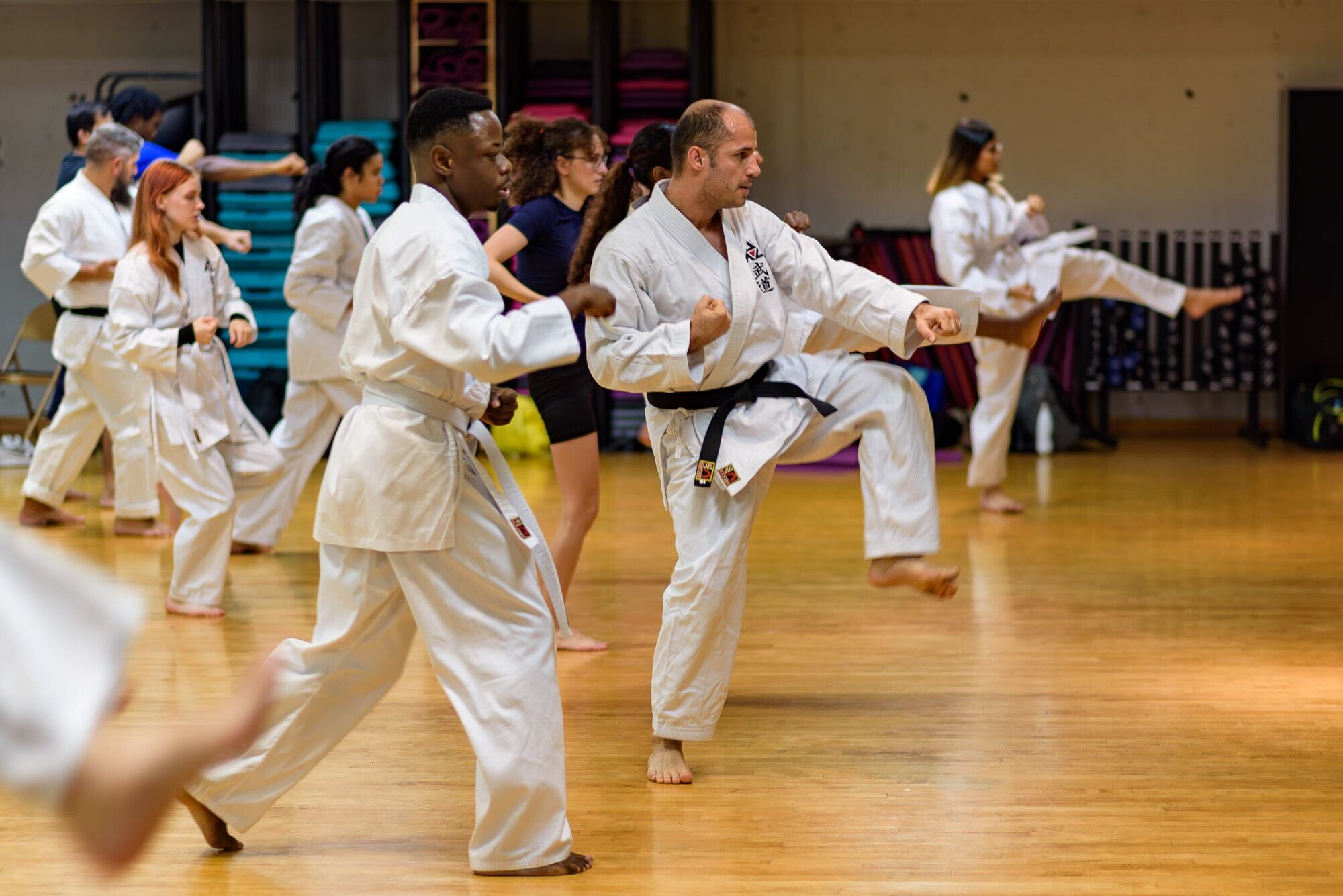
McCarthy has taught for over 35 years, guiding everyone from beginners to black belts through the fundamentals of traditional karate. Still, he admits, “It’s probably hard to hear the signal through the noise. If you’re looking for karate, you’ll find us. But I don’t know if you’d just bump into us otherwise.”
That “signal-to-noise” problem is one Quentin Faivre, junior executive of TMU’s Kendo Club, knows well. “We’ve got posters, ads, an Instagram page, everything,” he said.
“But you kind of have to find that information yourself. I had to do a lot of digging to even figure out how to post on the campus screens.”
Kendo, a traditional Japanese martial art using bamboo swords, is one of several clubs trying to reach new members through demos and trial classes. “We’re even considering a free semester for beginners,” Faivre said. “We just want people to try it.”
Fellow junior executive Jazz Yeung says the club offers what TMU students crave most: connection. “I didn’t even know the Kendo Club existed until I saw someone wearing a fencing shirt and looked it up,” she said. “But when I joined, I made friends so quickly. When you’re sweating and working out together, it’s easy to bond. That’s what people need more of—especially with how common student loneliness is.”
That sense of belonging is also key at TMU’s Brazilian Jiu-Jitsu (BJJ) Club. Founded by president Shervin Akhlaghi, it makes martial arts accessible. “Most gyms cost $150 to $200 a month,” he said. “We charge $65 a semester or $100 a year. By teaching myself, we make it affordable for everyone.”
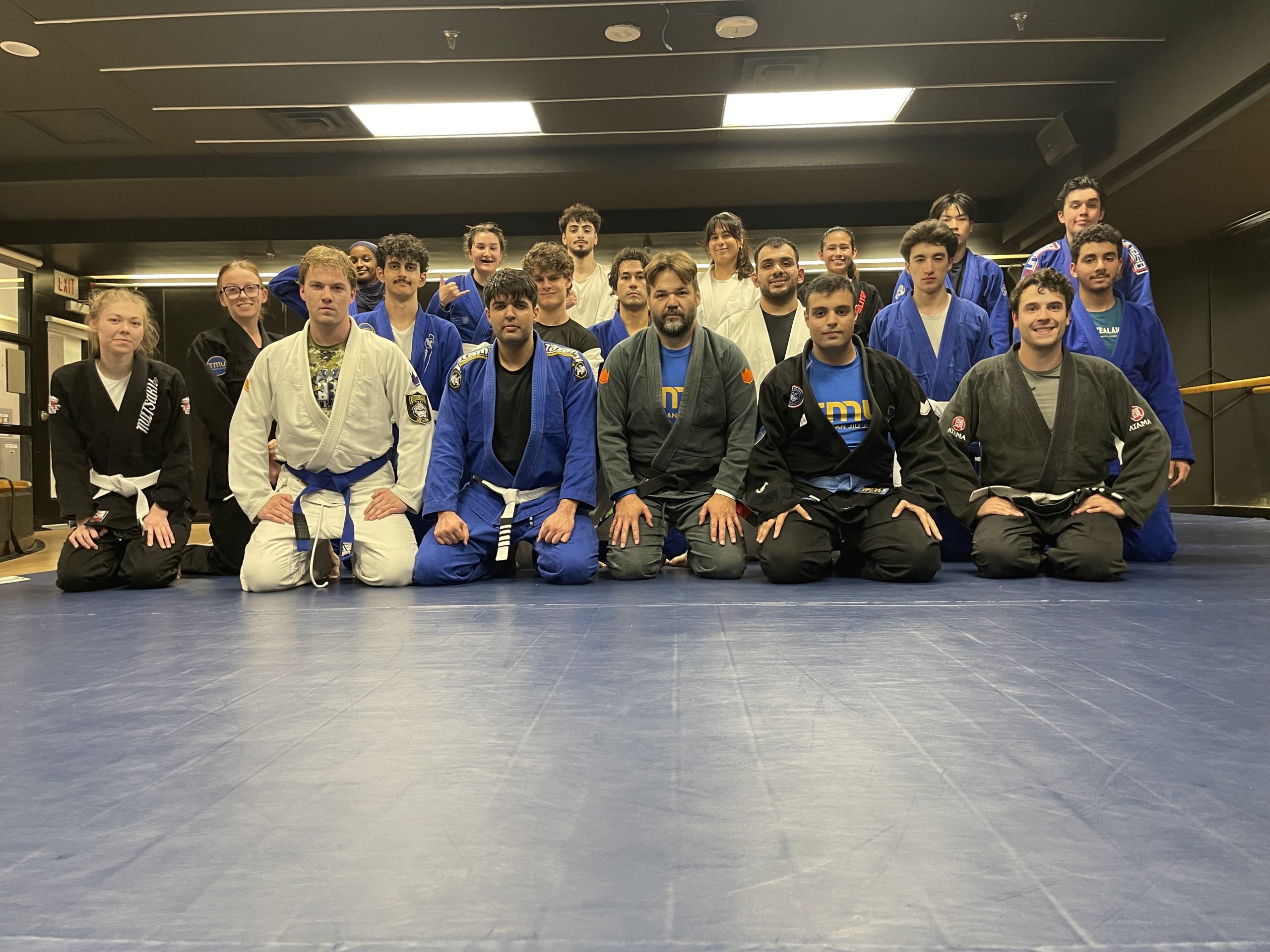
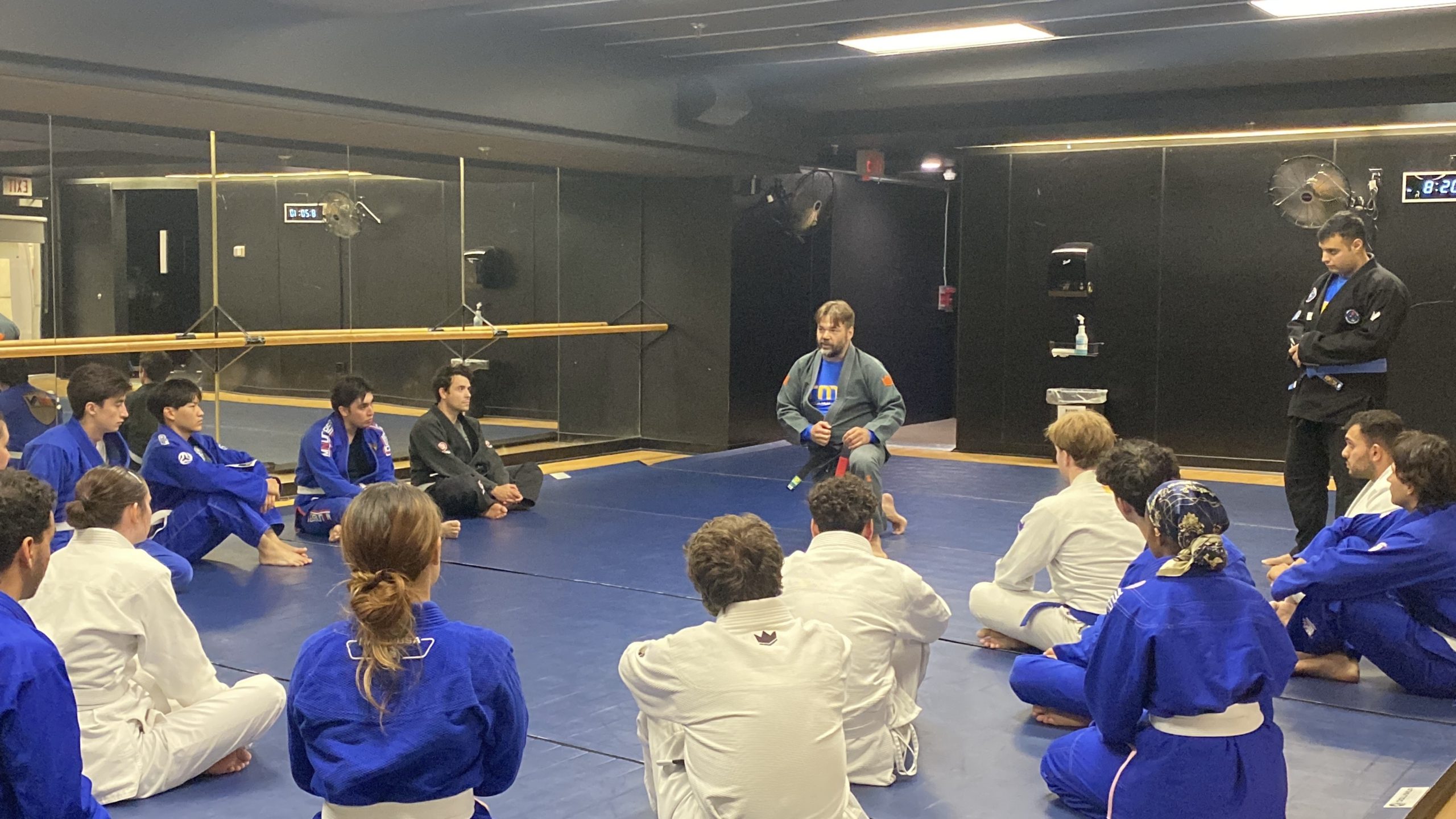
For member Kyrra Mailer, joining has been empowering. “At first, I was intimidated,” she said. “But TMU BJJ has such a welcoming community. It’s helped me feel confident, make new friends and even feel safer walking home at night.”
This aligns with the university’s vision for these groups. TMU emphasizes that being “student-led is a critical focus,” designed to create “an environment where participants of all abilities, identities and skill levels are welcome to join, learn the activity, and share in the community together.”
From trampolines to tatami mats, these clubs prove there’s more to TMU than academics and varsity scores. They’re small pockets of passion, often run by students balancing midterms with marketing posters, all for the sake of keeping their communities alive.
As McCarthy put it, “You don’t need a crowd to build a community, just people who care enough to show up.”
So the next time you’re walking through the RAC or passing by Kerr Hall, stop for a second. You might just find a club waiting to welcome you.





Leave a Reply