

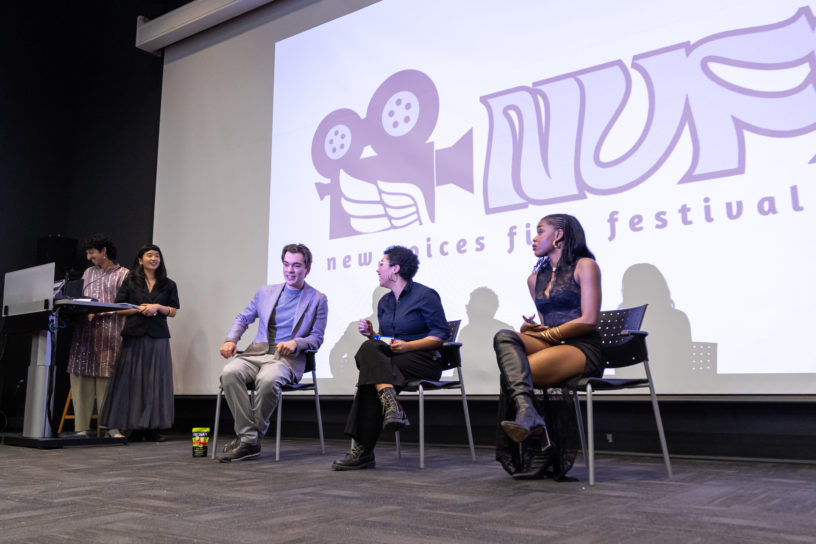
Acting students tell stories of love, grief and joy at New Voices Film Festival
By Mishael Taruc
Fourth-year Toronto Metropolitan University acting students took what co-producer Arjun Kalra called “a dime and a dream” to bring their ideas from drawing board to reel. After long production days, the cohort celebrated three short films featuring deeply personal stories and positively Gen Z sensibilities.
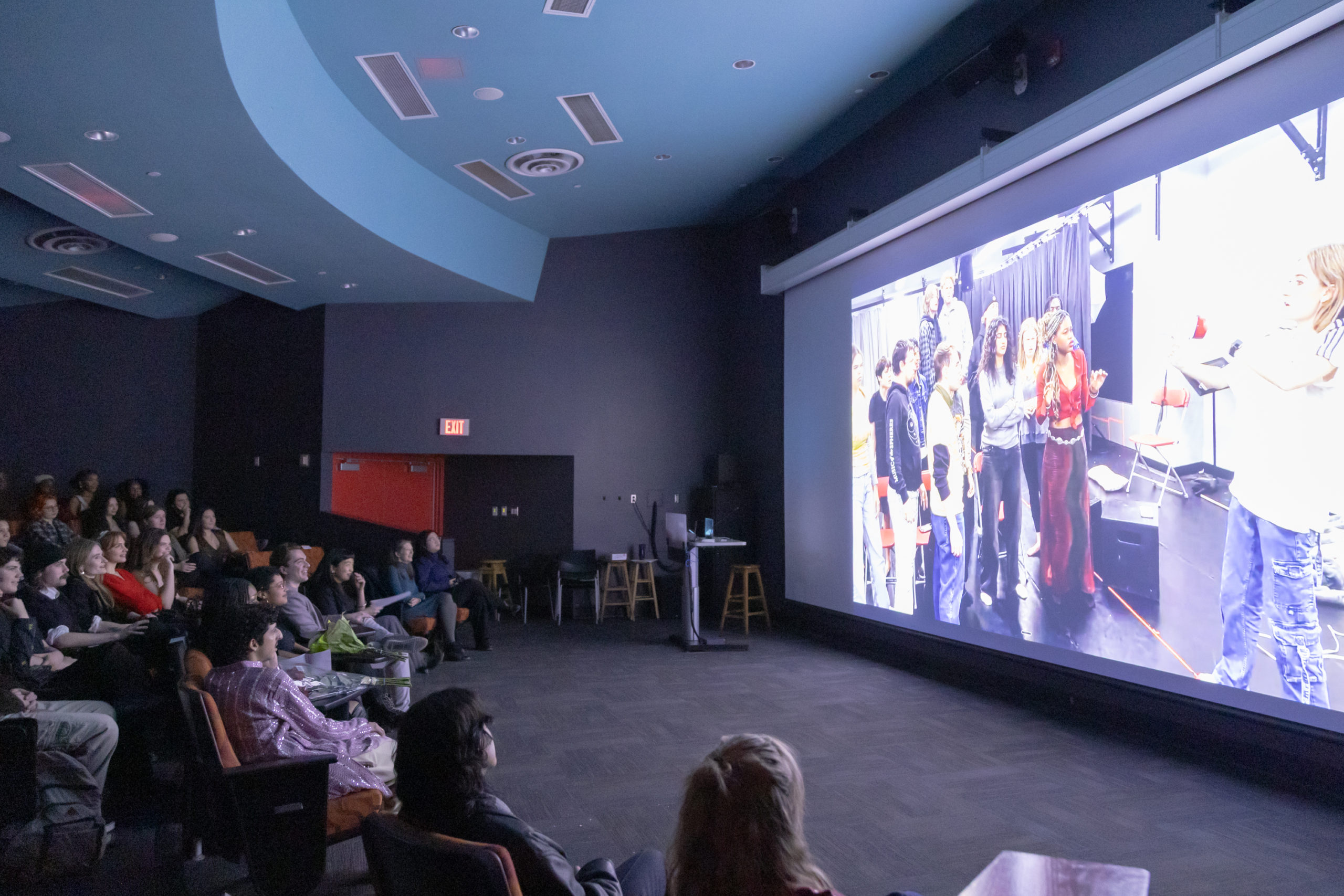
The 18 soon-to-be graduating students, along with their friends and families, came to The Image Centre on Jan. 17 for an intimate screening of the titles in the 2026 New Voices Film Festival.
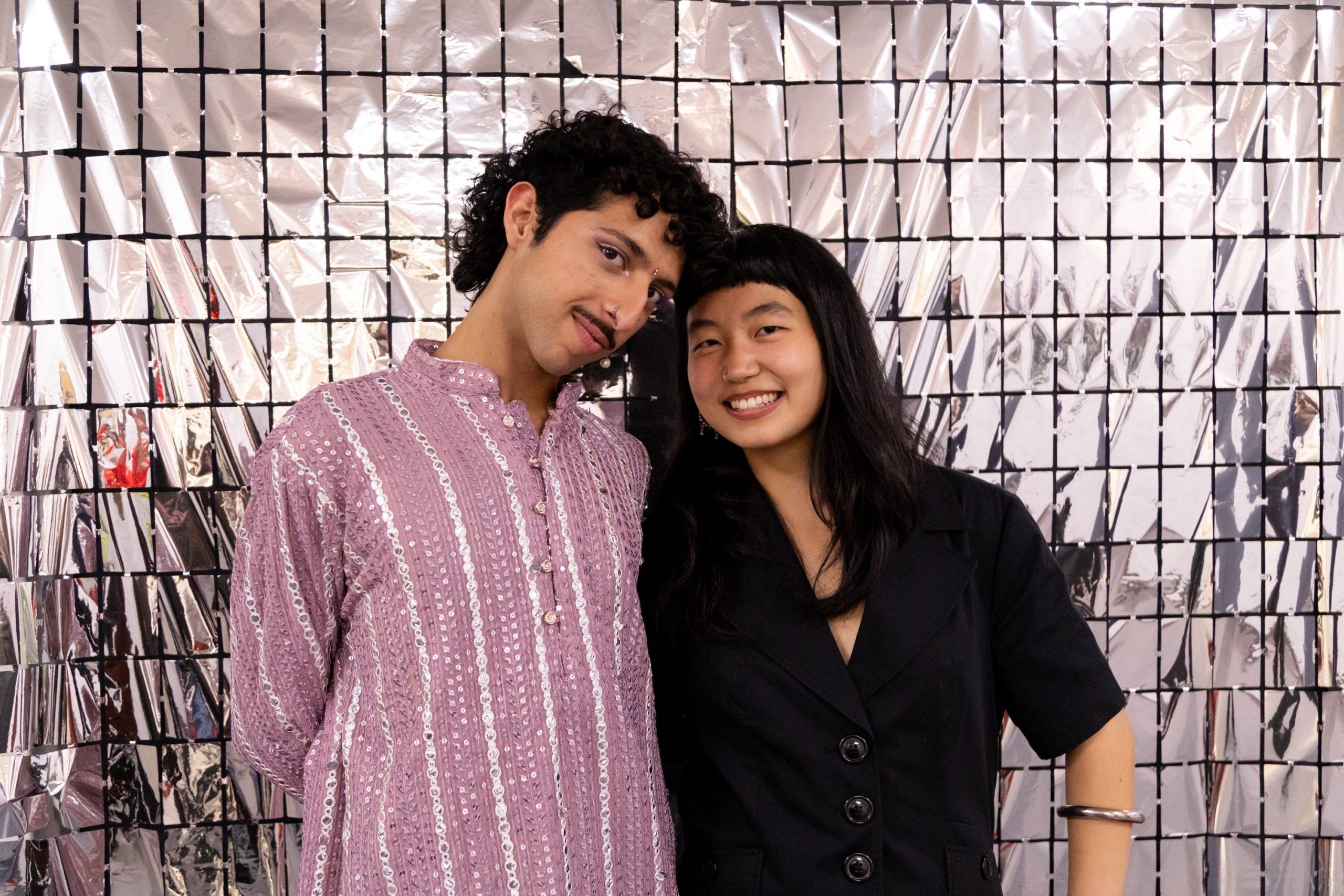
Despite their limited budget, the cohort’s creativity and resourcefulness guided their projects to fruition, said Kalra, clad in purple and sparkles—the event’s dress code.
“If [you] work together and have a good team on your side, anything is possible,” he said.
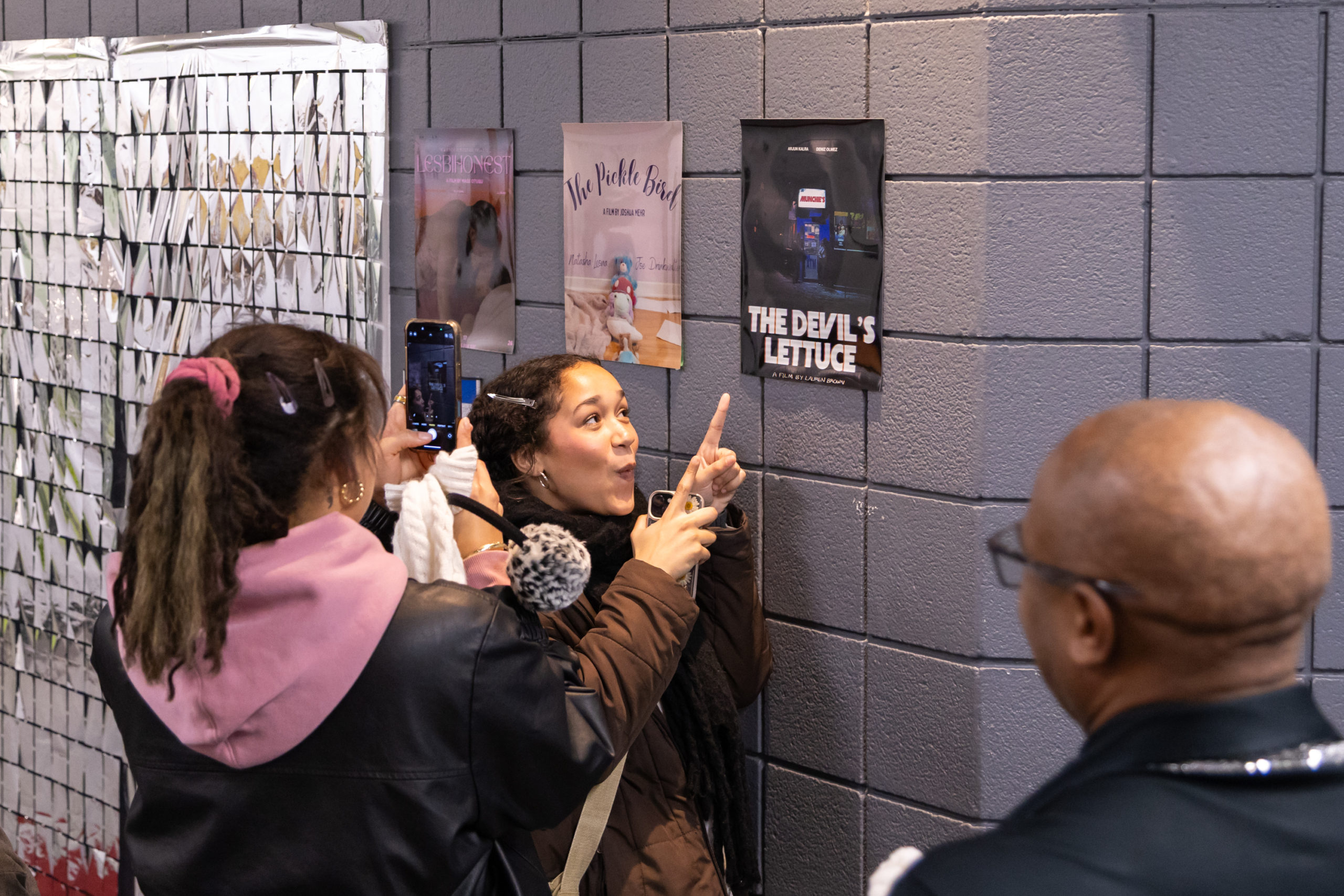
Fueled with the drive to laugh at her pain and own experience of rejection, Mase Otubu wrote and directed Lesbihonest as a “love letter” to herself. Her comedy centred on queer womanhood, unrequited love and moving on.
When asked what she gained from producing the film, Otubu said, “nothing.”
“It wasn’t therapeutic or anything. It didn’t heal me. It was just fun—stressful and time-consuming but fun,” she said, earning a chuckle from the audience.
The laughter turned to quiet tears with The Pickle Bird, a film depicting conversations about grief and life after loss. Writer and director Joshua Mehr said his own grief after his older brother’s passing in 2024 inspired the story.
Before his film played, Mehr shifted the spotlight from himself to his late brother. He read aloud a letter his then nine-year-old brother wrote for him days after his birth.
“I love Joshua. And I hope that his life goes as amazing as mine has for the first nine years,” the letter read.
The festival ended with The Devil’s Lettuce, a horror-comedy exploring themes of escapism and letting loose from writer-director Lauren Brown.
“I love stoner comedies. I love horror. When you get high, you watch one or the other, so why not mash them together?” she said.
Brown and her team turned the budget restraint into an opportunity. She said the visually “low-budget” look of some parts of the film evokes the effect of horror and the uncanny they were aiming for.
Sharing advice for other young creatives, Brown said, “If they don’t give you the space to do it, make your own.”
“If you have a pen and if you have an idea, your idea needs to be heard. Sure, it might not be developed, but it can be,” said Otubu.
Chatters of gratitude and pride from the attendees—who braved the snow and the long commute to the city—punctuated the night.
Brown said she wished the festival would extend to other programs at The Creative School, so more students could have a platform to show their work and tell their story.
Mehr values opportunities to make films that impact people in the same way that art moves him. “It’s so important to be a part of stories and to share stories. It’s what runs the world and what turns people into the people they become,” he said.





Leave a Reply