

Reframing architecture through playful resistance at TMU
By MJ Młot
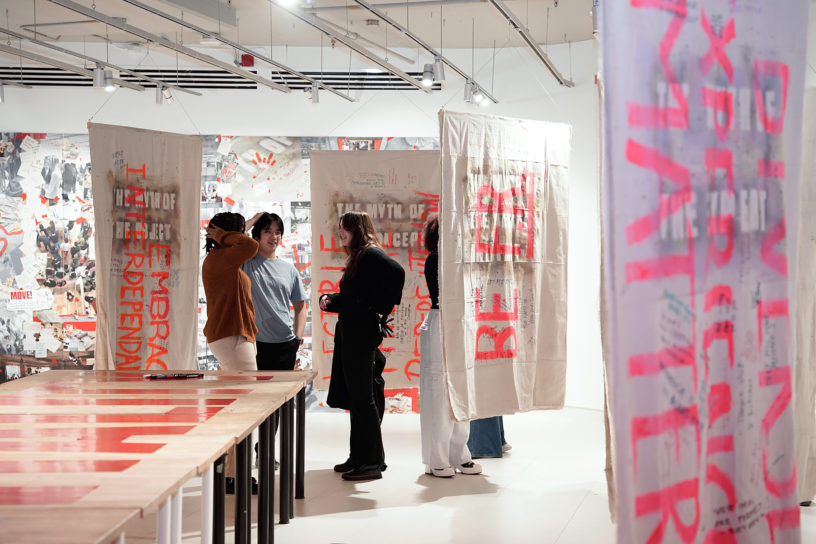
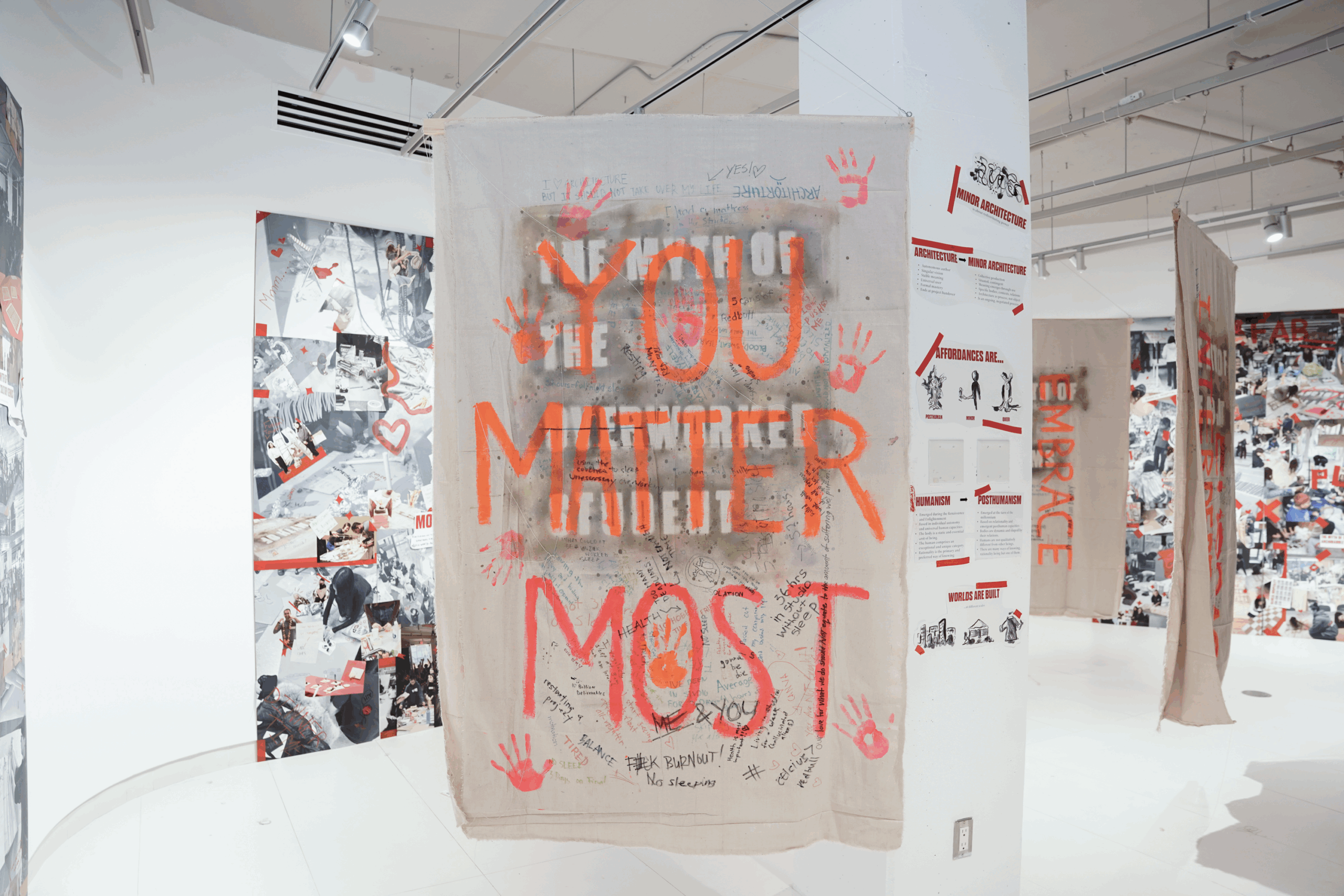
Architecture students at Toronto Metropolitan University (TMU) took part in an unusual four-day intensive from Jan. 5 to 8. The course, hosted by sessional instructors Vlad Amiot and Kristofer Kelly-Frere, encouraged students to ditch their academic discipline and embrace “radical hospitality.”
Amiot, a Calgary-based designer and queer theorist, described the course as an exercise in letting go of “hyper-competitive individualism.”
“It’s about reaching out to the other generously and joyfully, in order to foster a kind of environment of collectivity,” he said.
Lisa Landrum, professor and chair of the TMU Department of Architectural Science, said the students “were invited to use the Architecture Building as a different kind of environment.”
“The students had the experience of using their regular lecture space as a dance floor…use the gallery, not just for exhibiting precious objects, but as a dining space,” she said. Students also built a race track around the architecture studios, and raced their profs in wheelie chairs.
Students got the opportunity to question the socially-conditioned ways we normally exist in spaces.
“Part of having a dance party at school is an act of resistance. I get to move my body differently in this place that is against the script,” said Amiot.
Students were invited to create wearable costumes out of food as one exercise; from there, they were tasked with having a photoshoot wearing their costumes in their local grocery stores. During one of these shoots, store management asked the students to leave.
“In the end, it was really the most productive thing that could have happened because you could have a tangible conversation about what are the invisible networks of power that operate in architecture that we never actually think about,” Amiot said.
Amiot describes his teachings as being inspired by the concept of “productive stupidity” which evolved from queer theory, sharing that architecture is more political than people think.
“If we think about how we usually script architecture, it’s through labels…It’s a kind of ‘thou shalt’ language; thou shalt sleep here, thou shalt study here, thou shalt eat here,” he said. “And this is not about thou shalt, but, what could be…The stupidity is about what else architecture needs to think about.”
Landrum added, “There’s a way to think about architecture, not just in its physicality, but as a kind of a social infrastructure.”
“All the environments we’re in, why are they so meaningful? It’s because they support us as human beings, as social creatures,” she said.
Amiot explained that human beings defer our own joy. “If I work hard enough, I’ll get good grades, and if I get good grades, I’ll have a job, and if I get a job, I’ll be paid well, and maybe then I’ll be happy,” he said.
“If we can be happy in the now by a sort of collective joy, or just—you know—being stupid, then that sort of frees us from the grasp of this future-oriented happiness.”
(SUPPLIED: DEPARTMENT OF ARCHITECTURAL SCIENCES TMU) 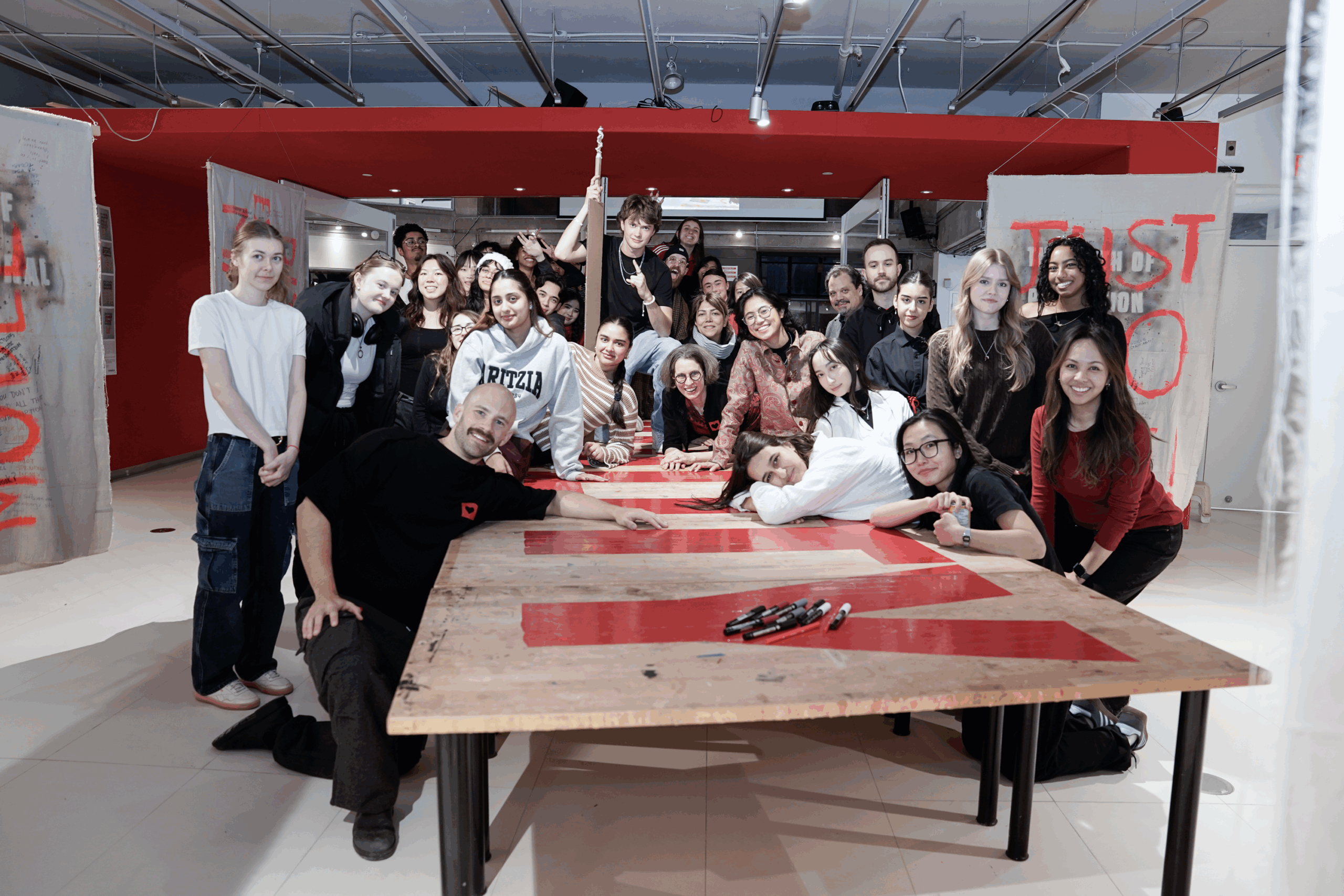
(SUPPLIED: DEPARTMENT OF ARCHITECTURAL SCIENCES TMU) 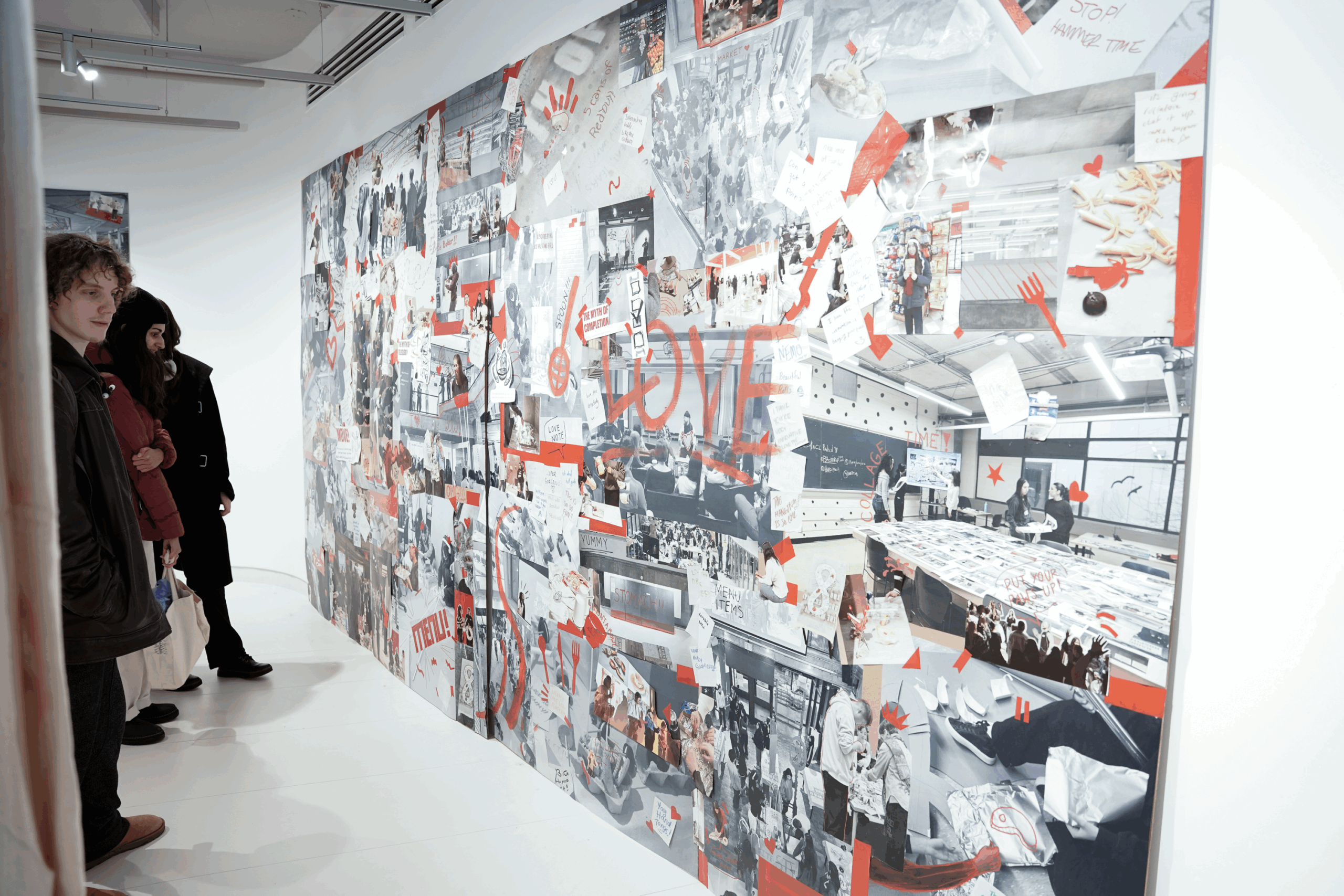
(SUPPLIED: DEPARTMENT OF ARCHITECTURAL SCIENCES TMU) 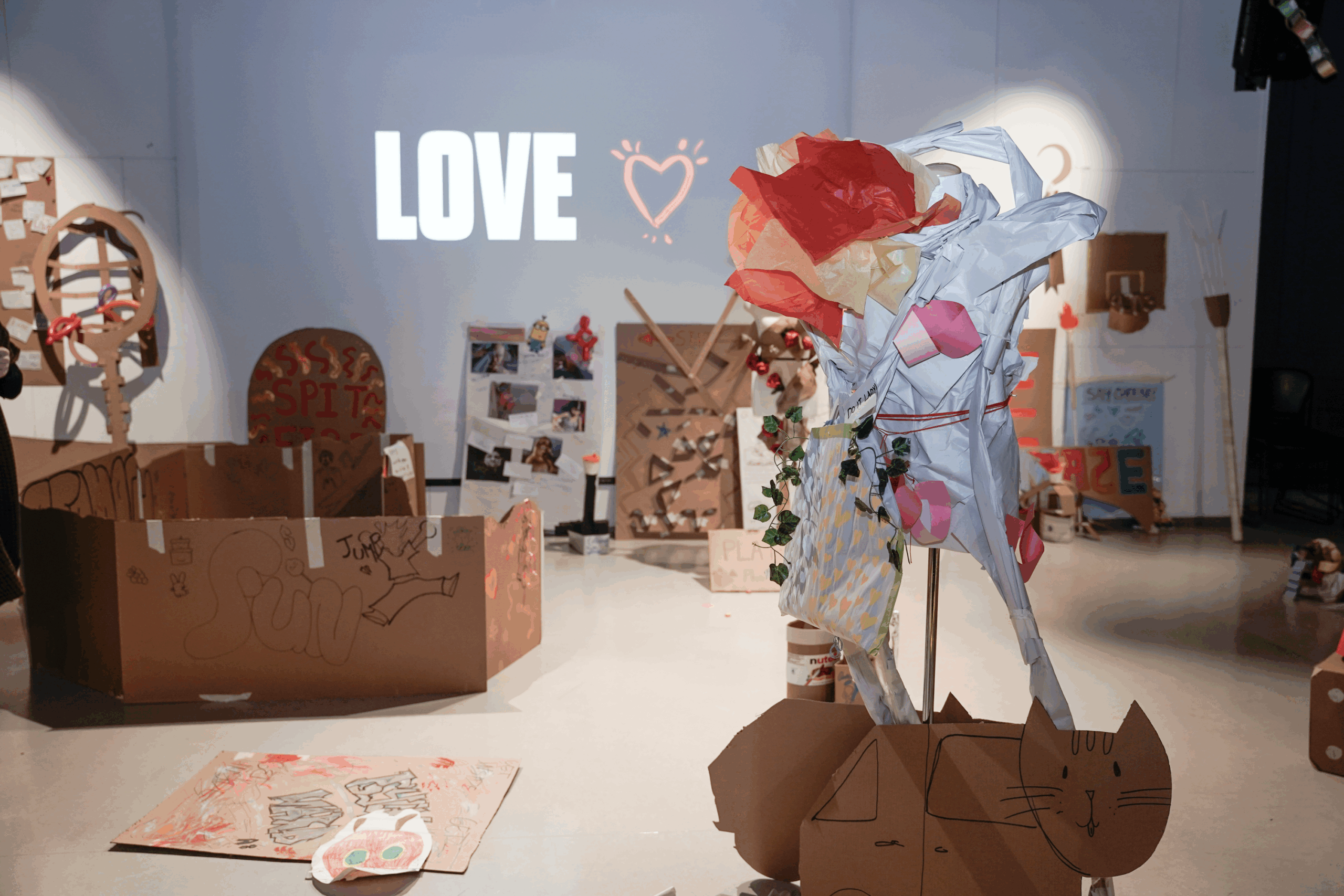
(SUPPLIED: DEPARTMENT OF ARCHITECTURAL SCIENCES TMU) 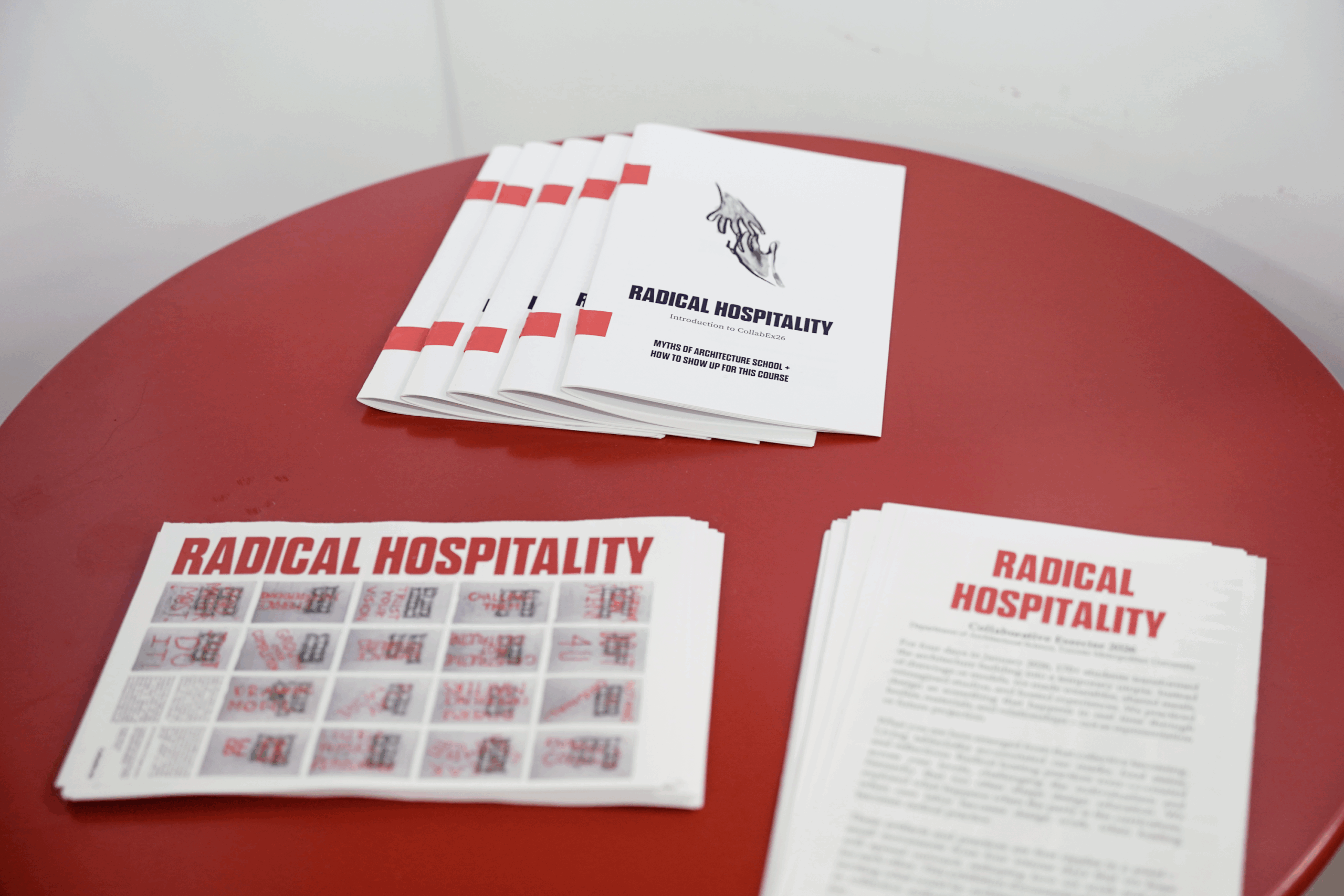
(SUPPLIED: DEPARTMENT OF ARCHITECTURAL SCIENCES TMU) 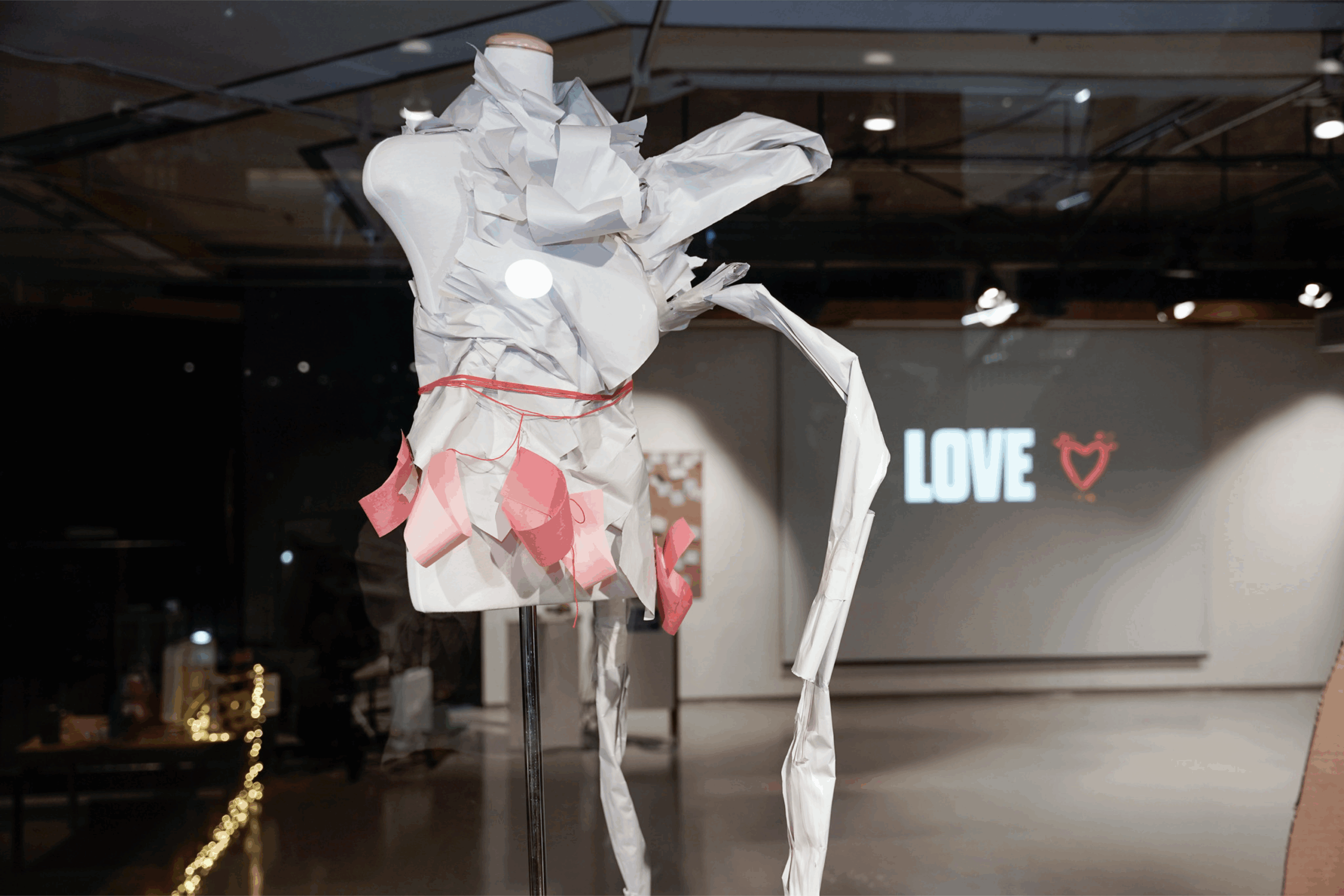
(SUPPLIED: DEPARTMENT OF ARCHITECTURAL SCIENCES TMU)







Leave a Reply