

By Justine Hopkins
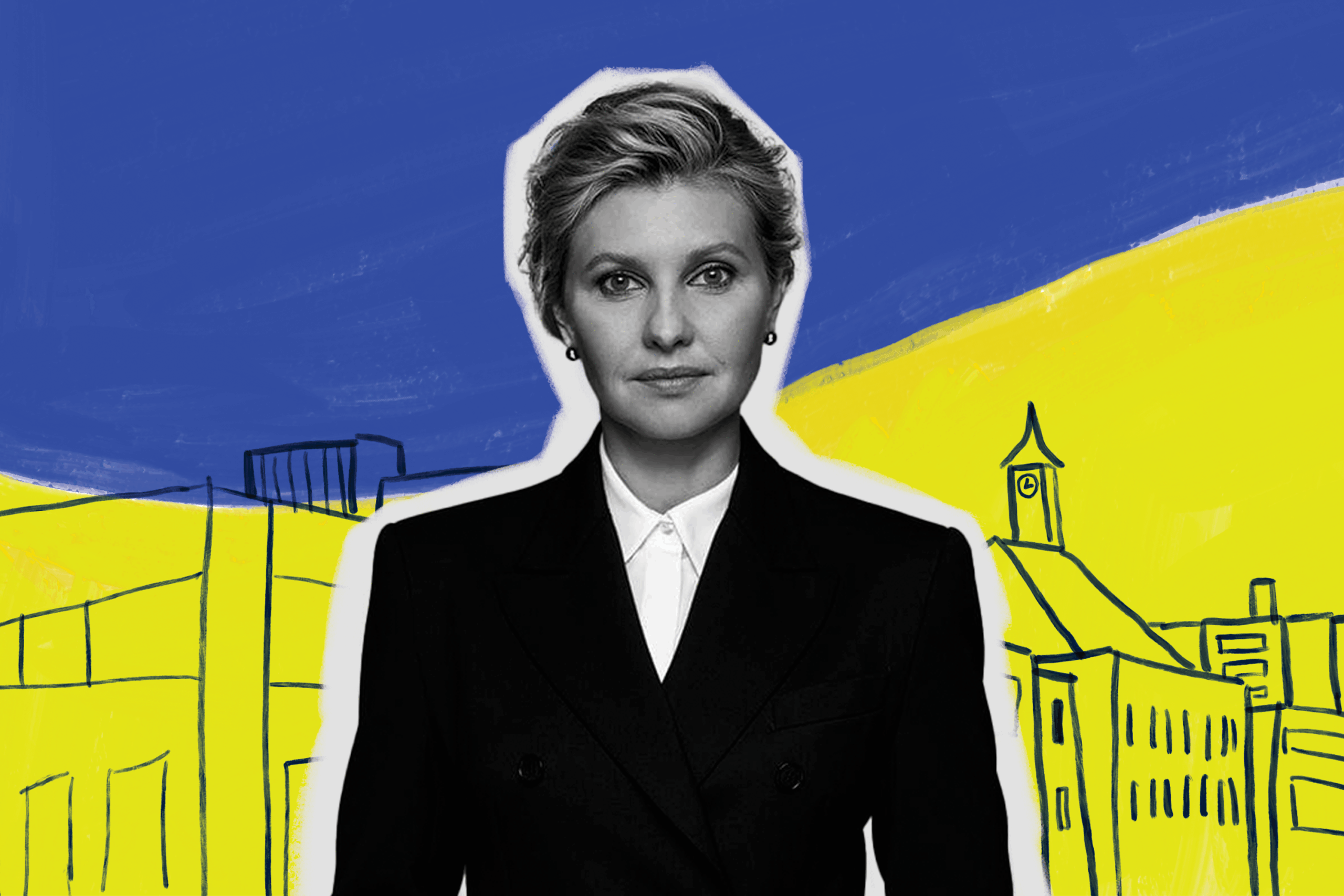
The Global Coalition of Ukrainian Studies gained Toronto Metropolitan University (TMU) as one of its newest members on Sept. 11. Launched in 2024 by First Lady of Ukraine, Olena Zelenska, the coalition is a worldwide educational initiative aiming to strengthen Ukrainian Studies across the globe. The coalition’s mandate is to build relationships with international academic and educational institutions.
The coalition agreement was signed at an in-person ceremony on Sept. 11 by Roberta Iannacito-Provenzano, TMU’s provost and vice-president. Present at the ceremony were Ukrainian First Lady Olena Zelenska and Diana Fox Carney, wife of Prime Minister Mark Carney.
Zelenska started her visit to Canada by stopping by Alberta Children’s Hospital and the Marian and Jim Sinneave Centre for Youth Resilience in Calgary. In Toronto, she met with the new coalition members and the Canada-Ukraine foundation.
The coalition offers opportunities to members depending on their level of involvement. Course resources, joint courses with Ukrainian universities and the possible establishment of a centre for Ukrainian studies are among some of the potential benefits of joining the coalition.
In a phone call with The Eyeopener, TMU President Mohamed Lachemi said that the school’s decision to join the coalition happened independently of Canada’s recently announced 100-year partnership with Ukraine.
“Internationalization is an important part of TMU’s future and this international network can have meaningful connections to research, academic exchange, faculty and student mobility and shared education,” he said. “We hope that the coalition creates new possibilities for academic cooperation and for relationships that can grow and deepen over time.”
Members of TMU’s Ukrainian community said joining the coalition is a positive step for the university.
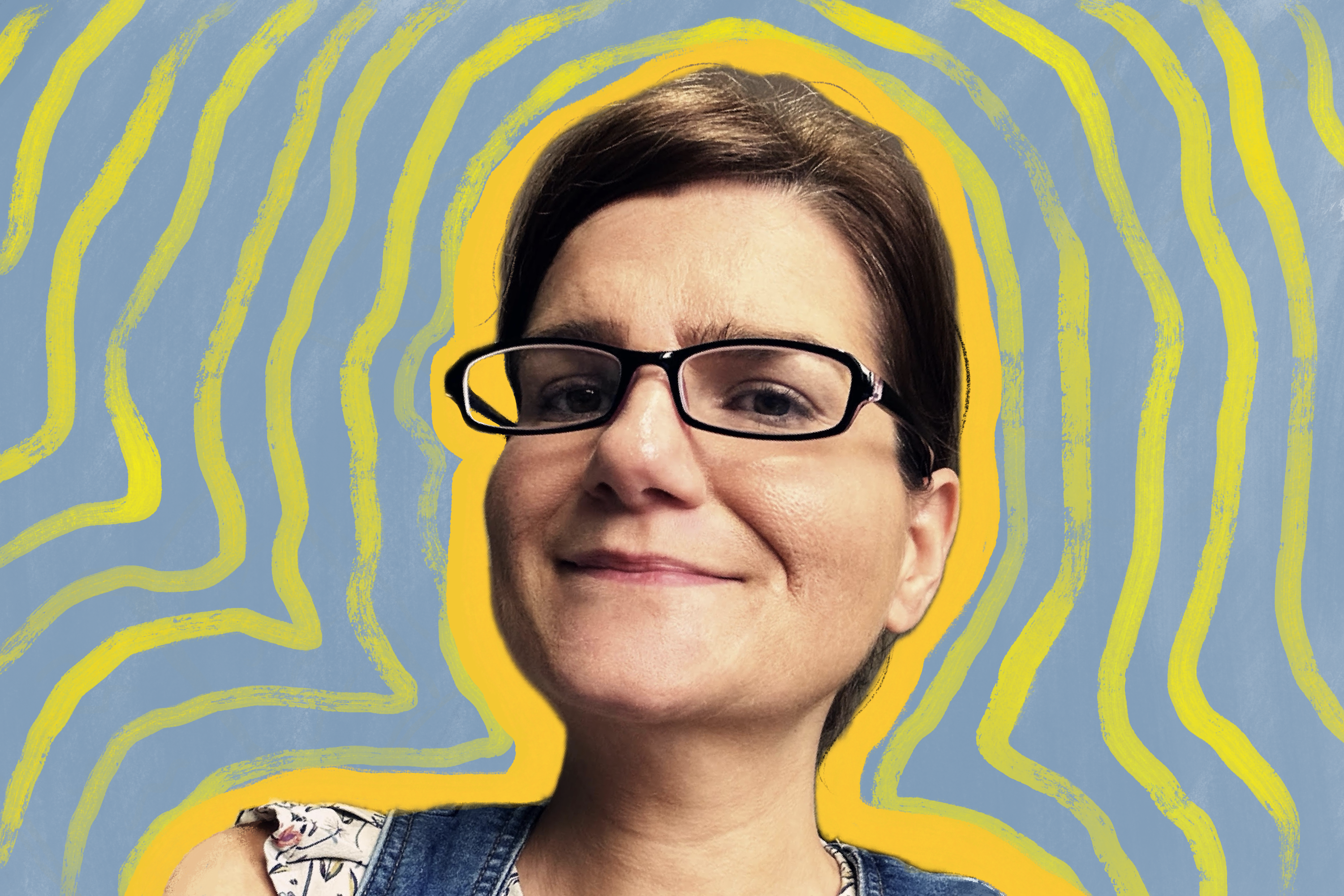
Sophia Salyk is a fourth-year biology student and president of the Toronto Metropolitan Ukrainian Students’ Club (TMUSC).
“A big part of what we want to do is promote Ukrainian culture, history and our identity on campus. Seeing TMU make an even larger academic commitment to that was meaningful to me,” said Salyk.
In a statement posted to LinkedIn, Iannacito-Provenzano said, “These partnerships are about more than institutions. They are about people: students discovering new perspectives, scholars learning from one another and communities building relationships that can grow and endure.”
In 2025, the University of Manitoba became the first Canadian institution to join the coalition. They received support for Ukrainian studies programs, academic exchange programs and organized Ukrainian-centred events and presentations as part of their collaboration with the coalition.
TMU, alongside the University of Alberta, the University of Toronto’s Munk School of Global Affairs and Public Policy, MacEwan University and the Ukrainian Museum of Canada are the five newest Canadian institutions to join the coalition. In just two years, the coalition has grown to span 27 countries and host 100 members across the world.
“Joining the coalition is an important step towards giving Ukrainian studies a stronger and more permanent presence at TMU. It’s nice to know that the work we are doing as a club can now be supported by a broader initiative within the university.” Salyk added.
Anna-Maria Protsyk is a third-year commerce student and the director of sponsorships at TMUSC. She believes TMU joining the coalition is an opportunity for Ukrainian voices, culture and history to be heard on a global scale.
“I feel like we are put on a stage where we have a bigger voice living in Canada and anywhere past Ukrainian borders,” she said. “Because of the fact that we’re exposed to so many diverse cultures, ethnicities, different people from different backgrounds, we are able to have a bigger reach to spread the truth, our history and what’s currently happening during the war to put things into perspective for other people.”
Protsyk said propaganda and “educational warfare” is one of the kinds of warfare used against Ukraine.
She said it’s easy for those who are not aware of Ukrainian history to fall for false information they see about the country and the war with Russia, which has been ongoing since 2014 and escalated with the full-scale invasion of Ukraine in February 2022.
The coalition’s site states that one of its goals is to counter disinformation about Ukrainian history in the context of “Russian aggression.” Global Affairs Canada has accused the Kremlin of spreading disinformation and propaganda about Ukraine and monitors suspected disinformation campaigns on a database on the Government of Canada website.
Fourth-year biomedical science student and vice-president of TMUSC, Sophia Zoriy, attended Ukrainian schools in Canada growing up, as a way of enriching her within her culture.
“I think having a Ukrainian community on campus is almost like having a piece of home with me at university,” said Zoriy.
She continued: “I grew up going to Ukraine almost every summer to visit my family. So I had a very real connection to the country itself, not just Ukrainian culture here in Canada. And since the full scale invasion, I haven’t been able to go back and I think that absence has made me appreciate that connection even more.”
Salyk remarked she feels bittersweet about the coalition because she is in her last year of her program.
“I’m really happy to see it happening now because, you know, better late than never. But it is bittersweet because I would really love to take a class to even further my own knowledge.”



Leave a Reply