

By Yuna Cho
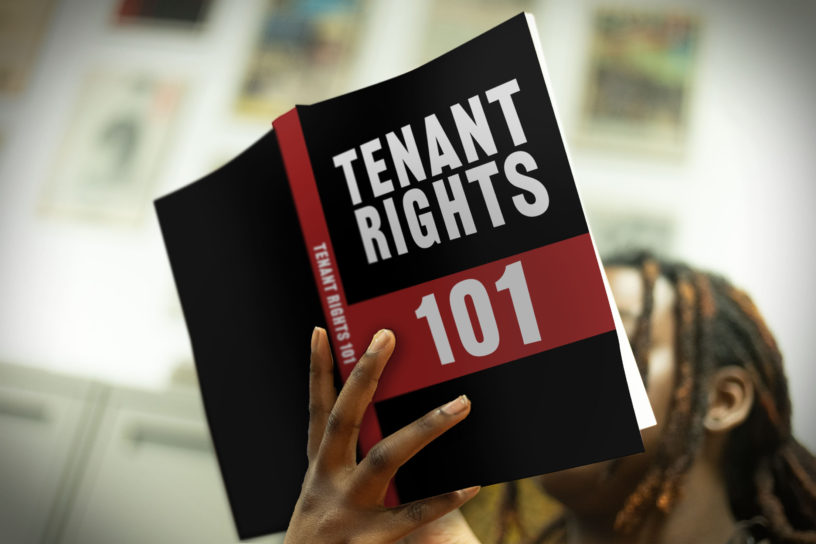
Housing Our University Students Equitably at Toronto Metropolitan University (HOUSE TMU), a non-profit for student housing, hosted a tenant rights workshop with the Toronto Metropolitan Students’ Union (TMSU) on April 1 at the Tecumseh Auditorium.
HOUSE TMU is a chapter of HOUSE Canada. According to HOUSE Canada’s website, they “build and operate affordable student housing on or near post-secondary campuses across English Canada.”
Sadaf Shaik, the communication director of HOUSE, said, “Students pay a lot higher than non-student renters, paying more for a smaller space just closer to campus.”
Shaik also said students are unaware of their rights as tenants, making them vulnerable to “a really horrible landlord being exploitative.”
Shaik said, “ultimately the goal [of HOUSE] is to give a push to the cooperative housing movement, Toronto has been a little bit behind…we acquire property and then we’re able to offer it to TMU students for less than the average rent in downtown.” In order to do so, it is important to raise awareness of the need for cooperative housing, she said.
In a March 9 memo to the City Council’s Executive Committee, Mayor Olivia Chow emphasized “cracking down on bad landlords.” The 2026 City of Toronto budget funded 73 RentSafeTO officers—double the number of officers from 2023—who “have the authority to make landlords fix problems,” read the memo.
“I will not tolerate slumlords in the City of Toronto,” said Chow in the memo.
According to Canada Mortgage and Housing Corporation (CMHC), Toronto rental units reached an average of $1,917 in Oct. 2025.
Gaelle Chan Tam Chan is a fourth-year fashion design student who attended the event. Chan, who was raised in Mauritius and moved to Canada in 2021, said she had “zero knowledge of the [housing] rules and policies in Canada.”
“My parents are supporting me financially, I don’t have a full-time job. That made it hard when I was trying to rent a place, because the building management or landlord had to assess my finances and decide whether to accept me,” said Chan.
Joseph Abay, a third-year urban planning student and executive officer with HOUSE TMU, said students discuss their living conditions once they’ve found housing, but are unaware of their rights to confront these conditions.
“It’s another way that landlords have been able to kind of pressure students to have these precarious situations or clearest living situations.”
A January report by consumer insights group Studenthaus called ‘State of Canadian Student Living 2026’ found students in Toronto paid significantly more in rent than the national average of $1,146 per month. Students at TMU pay an average of $1,640 per month while students at the University of Toronto pay $1,689 per month.
Shalin Thomas, a third-year medical physics student who attended the workshop, said they couldn’t react to issues with their landlord because they couldn’t afford to live elsewhere.
“I have faced eviction without notice, also I have got them extorting rents for very small rooms and overcrowding the house with a lot more tenants than legally it was supposed to be.”
Once students find a place, navigating bad landlords is another problem they need to deal with. Colin Hausser, a fifth-year urban and regional planning student, is the head of HOUSE’s affordable housing committee and said a previous landlord changed the locks to his apartment while he and his roommates were moving out.
“We had disputed that as we still paid for the last month…Changing up the locks did not allow us to go ahead and do some servicing that we needed to, so we had to go to the [Ontario Land Tribunal] and dispute that and get her to change the locks back,” he said.
Mason Fitzpatrick, communication director of the Federation of Metro Tenants Association, said in an interview with The Eyeopener, students are more precarious when renting due to a lack of knowledge of their tenant rights.
“[Students are] generally more likely to sort of allow landlords to get away with things that other tenants who have more leverage won’t, and so sometimes they’ll find themselves in bad situations.”
Fitzpatrick noted that the province’s cuts to the Ontario Student Assistance Program will compound this problem.







Leave a Reply