

By Ava Whelpley
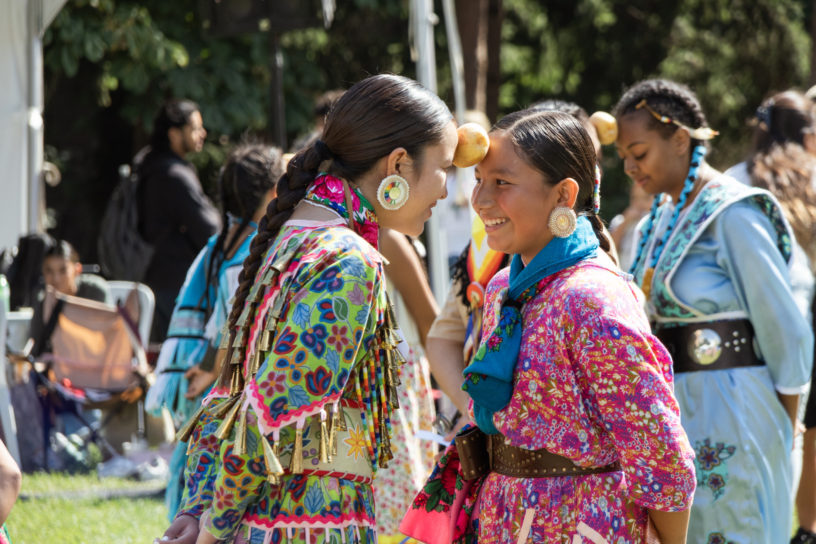
Toronto Metropolitan University (TMU) hosted a Pwaaganigaawin/powwow on Friday in the Kerr Hall Quad, bringing together Indigenous people from across Turtle Island to celebrate through dance, music and tradition.
According to an older version of TMU’s Pow Wow website, the powwow began on Oct. 17, 1998, hosted by the former Ryerson Aboriginal Student Services, which is now named Gdoo-maawnjidimi Mompii Indigenous Student Services (GMISS).
The powwow took a 21-year break after its initial introduction and resumed in 2019. It then took place online during the COVID-19 pandemic but continued in-person in 2023.
Tess Roorda, a second-year psychology student at TMU explained what intrigued her to come check out the powwow. “I was hearing the music from my class in Kerr Hall, and I thought it sounded really cool,” she said.
Another student, Venus Khoramrokh, in her first-year of social work, happened to come across the powwow while walking through campus and took the opportunity to look around with her friends.
While the TMU Pow Wow brings together students on campus, it also hosts Indigenous vendors who sell their products in an arts market around the Quad.
Emily O’Hara, a returning vendor at the powwow, who works with moose hide and beadwork, explained the importance of a powwow, “events like this are really important because I feel like there’s this connotation about Indigenous people that we’re not here… I feel like having events like this, especially at a place like TMU that has students from all over the world, really showcases what Canada’s about and what it means to be Indigenous.”
You can find O’Hara’s work on her website, tanshiclay.com, and various social media platforms with the username tanshiclay.
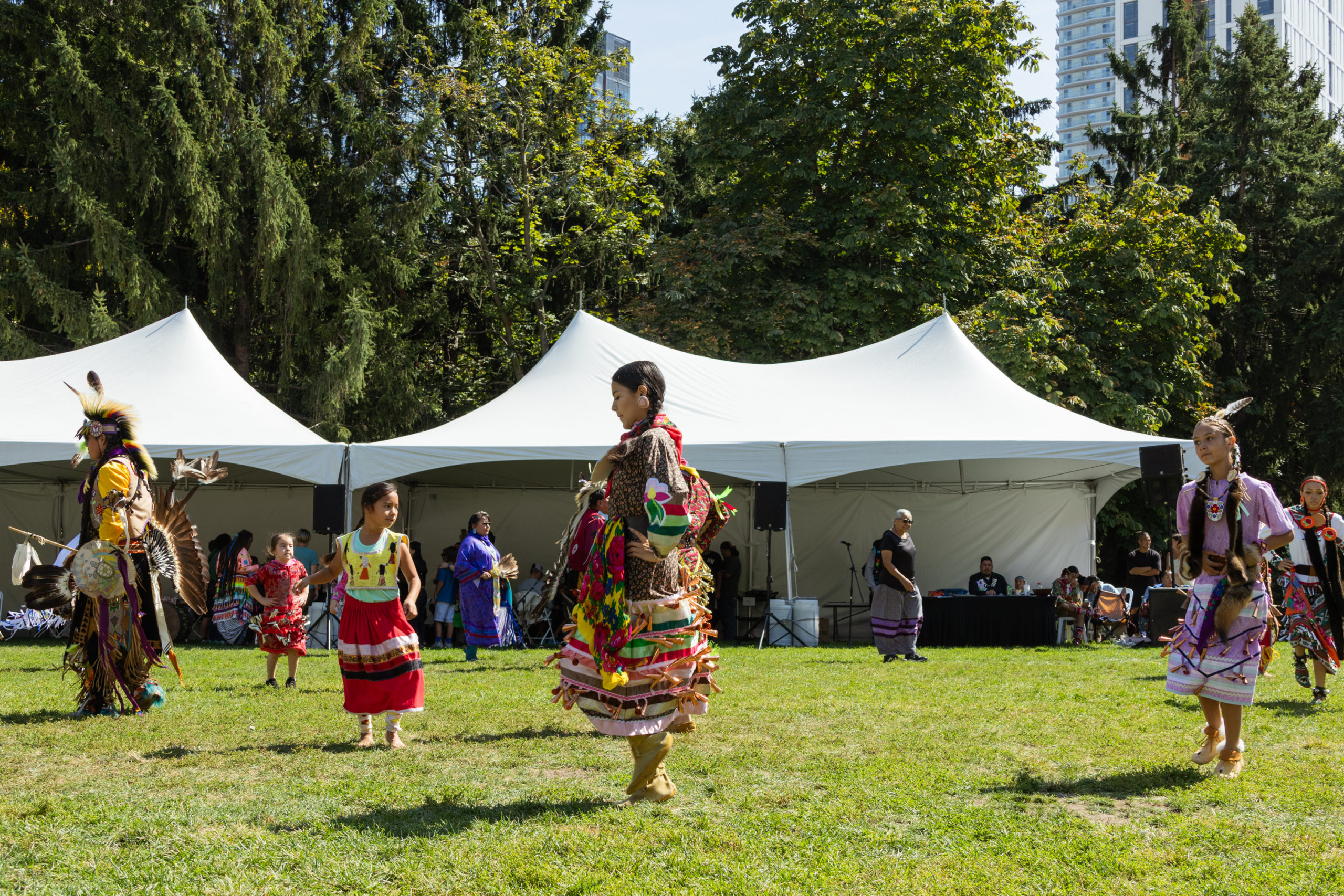
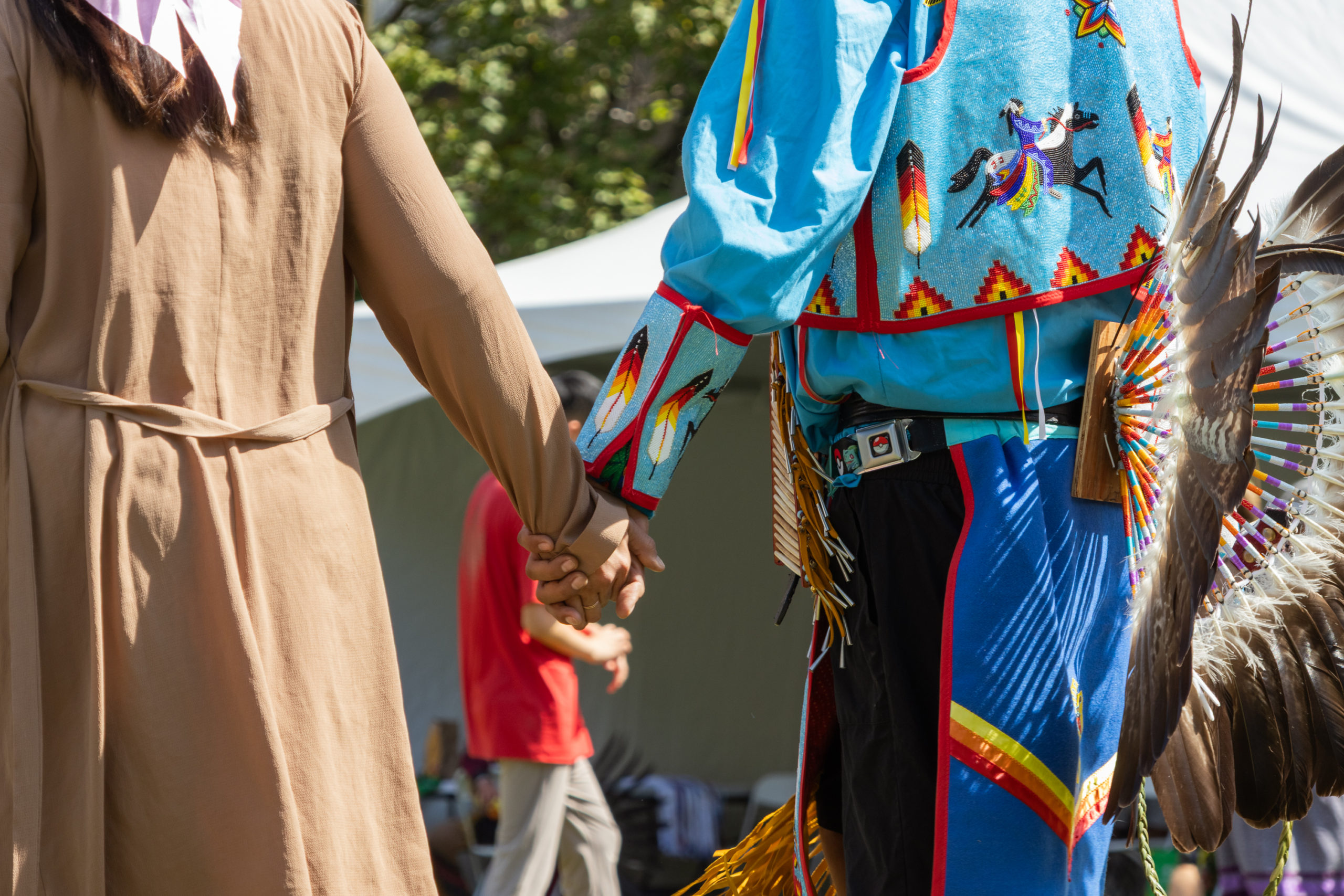
The theme of this year’s powwow was “Honouring Mother Earth”, which prompted many to take time and reflect on the state of the world right now and how they can improve.
Wyatt Wichert, a third-year social work student who had the role of cultural helper during the powwow and was part of the planning committee, explained how they decided on the theme.
“The idea kind of came from our water teachings day for National Indigenous Peoples Month and the importance of taking care of Mother Earth and how the waters are being affected right now with all the plastics…I think we all thought that it was a great idea to honor Mother Earth, especially with the climate change issues that are going on.”
Roorda acknowledged the work done by Indigenous peoples for the planet and said “Indigenous people have been on that forever, far more than anyone else.”
Tammy Beers, a member of Rama First Nation and vendor at this year’s powwow explained that the work is not done, “we can all always look at what we’re doing and think, what can we do better?”
Beers described how she started to use paper for her earring cards after initially using plastic.
You can find Beers’ work on her website, neonbirchworks.square.site.
“It’s really important now more than ever to really take care of the planet and just be one with the earth,” O’Hara added.
Powwows are very important to Indigenous communities as they foster connection and bring people together, Wichert emphasized. They are equally as important for non-Indigenous people as well, he said.
“It’s important that they see that we’re all different, that we’re all human, and that to learn the differences between our nations, our cultures and our communities, and it’s really important for people to find out people’s stories where they’re from,” said Beers.








Leave a Reply