

By Eunice Soriano
As the lights dimmed among the plush seats of Roy Thomson Hall, myself and hundreds of other TIFF goers in the theatre audience were gradually immersed into the roaring crowds of Lilith Fair—the world’s only all-female music festival now made into a documentary.
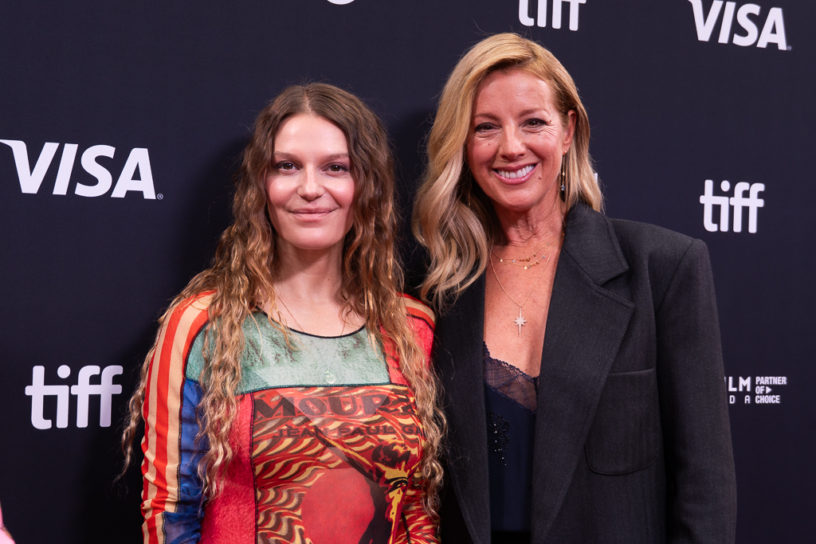
Directed by Toronto Metropolitan University (TMU) image arts alumna Ally Pankiw, Lilith Fair: Building a Mystery follows the journey of the festival from 1997-99.
The documentary spotlights the festival’s founder, award-winning Canadian singer-songwriter Sarah McLachlan, who redefined the perception of female musicians in the entertainment industry forever.
While the 90s music scene saw the rise of many new artists branching from a wide selection of genres, McLachlan recalled in the documentary that radio stations would discourage playing two consecutive female artists.
Hoping to uplift and promote fellow female musicians, McLachlan started a phenomenon of inspiring concerts: Lilith Fair.
Throughout the documentary, Pankiw paints the perfect blend of contemporary sit-down interviews with heartfelt performances sung by Cheryl Crow, Sinéad O’Connor, Tracy Chapman and more.
The audience was humming along to the melodies of Paula Cole’s hit song “I Don’t Want to Wait” and Suzanne Vega’s classic “Tom’s Diner.” As that humming slowly translated into singing, I was reminded of how transformative music truly is, transcending generations of listeners.
In a political climate that sought to pit women against each other, Lilith Fair united women across the masses.
From snippets of the singers gleefully dancing together backstage, to the close-up shots of passionate fans screaming their hearts out or the female crew members who worked diligently behind the curtain, Pankiw excels in capturing the essence of the festival through various perspectives.
I couldn’t help but feel envious of the lucky bunch that got to witness the magic for their own eyes and the ones who still carry on those memories today.
When reflecting on the festival’s success in a discussion after the documentary’s premiere, McLachlan credited the star-studded musicians and crew members who helped bring her vision to life.
“Never underestimate the power of a small group of women coming together to create positive change in the world,” said McLachlan.
In the midst of the laughter and encores, the festival faced criticism for its lack of ethnic and musical diversity among its pool of talent.
The label “Lilith White Fair,” encouraged McLachlan to introduce new artists into the lineup such as R&B and soul powerhouse Erykah Badu and hip-hop icon Missy Elliott. With Badu and Elliott’s songs added to the setlist, the festival earned an abundance of new attendees and popularity.
Though I do appreciate the documentary’s efforts to embrace intersectionality, I would have also valued hearing the perspective of a woman of colour who attended it.
The festival notably platformed 2SLGBTQIA+ artists like the Indigo Girls and Tegan and Sara who spoke to how the fans and performers at Lilith Fair curated a culture where they could be their unapologetic selves and blaze a trail for the modern Queer music scene.
In between the recurring interviews and performances, Pankiw weaves mixed media elements like newspaper clippings, stickers and posters that add to the landscape that the film portrayed.
My personal favourite was McLachlan’s journal, which narrated the emotional turmoil she felt, on and off stage.
While she read aloud the scribbled words on each page, it was easy to feel every ounce of vulnerability she shed.
Hearing how she responded to and overcame all the challenges that stood in her way deepened my appreciation for her work and dedication to Lilith Fair.
Throughout the film, we learn how the singers who performed at Lilith Fair continued to shine despite the misogynistic comments of the general public and media.
They had a goal for women to gain more recognition in the music industry and each sensational concert was a step closer to accomplishing that.
In the current era of music, women are being celebrated in sold-out stadiums filled to the brim with their loyal fans. McLachlan said some of these artists harbour their own versions of Lilith Fair by collaborating with other women to headline their shows.
When a potential return of Lilith Fair was asked after the film’s screening, McLachlan said that she would love to see it return.
Although, instead of leading the charge, she said it would be more suitable if an artist of the new generation took the reins.
Though the return of Lilith Fair still remains a mystery, Pankiw said that the festival is living proof that women deserve more opportunities in the arts.
“If you invest in women’s systems and the things they build, the art and systems that diverse perspectives build, it is not a risk…it’s an opportunity,” Pankiw said.
And as I replay my favourite song, “Fast Car” by Tracy Chapman, who was one of the many inspiring women at Lilith Fair, I am reminded of the opportunities that the festival paved for so many and how the magic of Lilith Fair still lives on.







Leave a Reply