
Written and translated by Negin Khodayari
Disclaimer: This interview was conducted in Persian to accommodate the source. The section at the bottom of this article is written in Persian, using the original conversation.
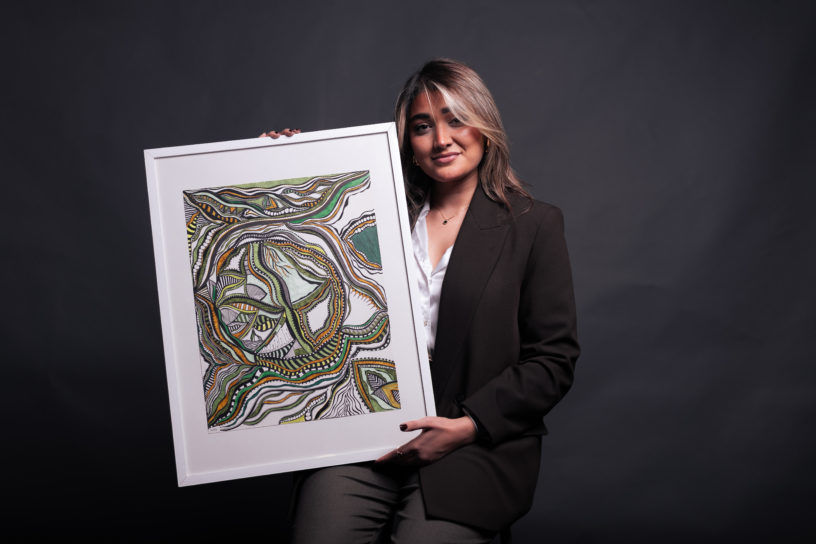
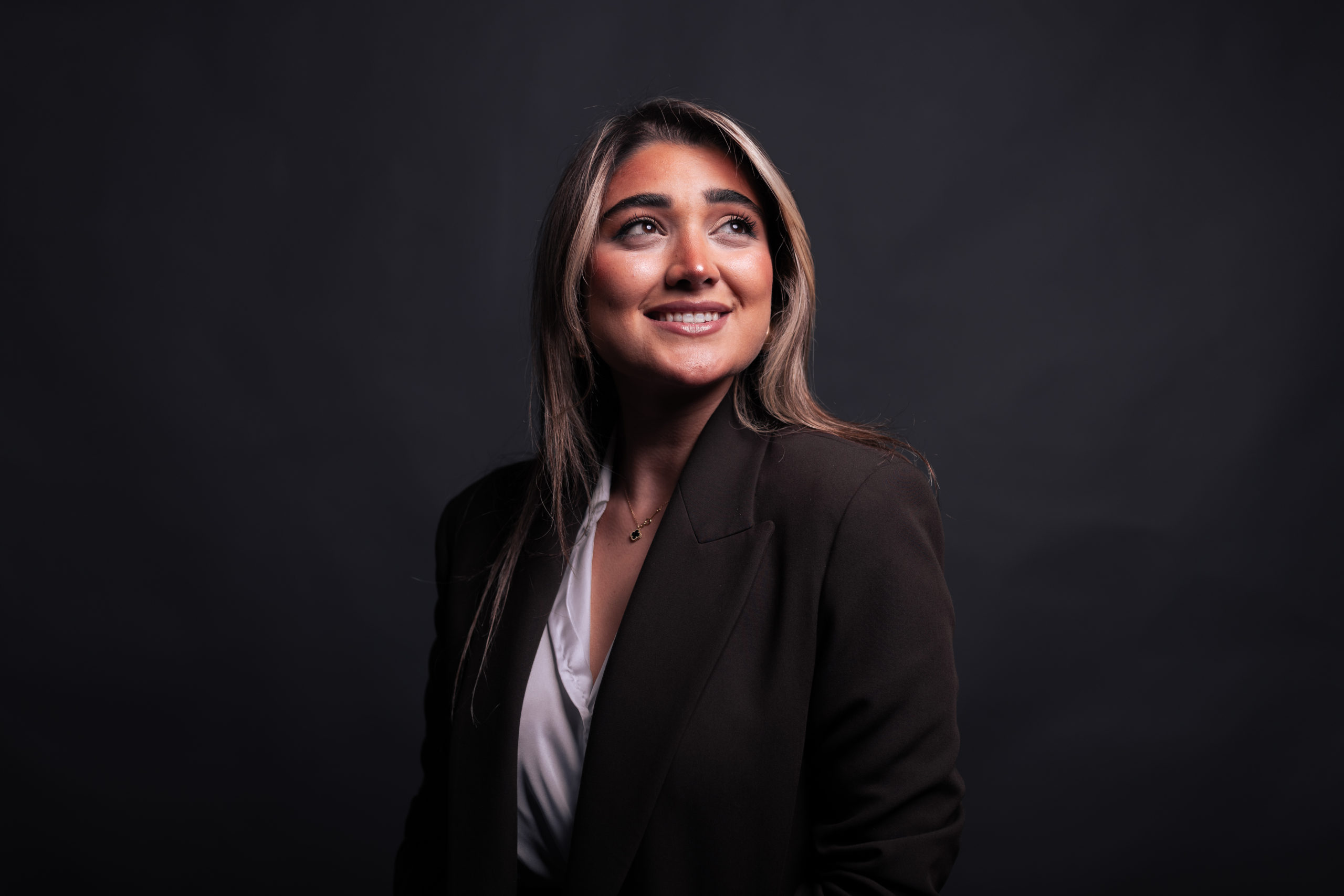
25-year-old Tania Ekrami was just a fresh teen in Iran when she discovered her love for drawing. The now fourth-year psychology student at Toronto Metropolitan University has been using her art as a form of self-expression ever since.
Ekrami immigrated to Canada at 18, leaving part of her heart—her family—behind. In her moments of isolation, her art remained a companion. And in her moments of joy her pens and paper did the same.
But in exile, there’s one other thing that brings Ekrami solace: the unconditional support of her father and an unwavering bond with her family.
We asked Ekrami a series of questions that unveil the deeper significance of her art and found a story of exile and her everlasting love for her father.
What made you come to Canada?
Since I was a kid, I always wanted to live somewhere free. When I was around 15 or 16, I decided I wanted to leave Iran but I didn’t know where to go. I decided to come here—somewhere I could reach my goals and live freely. I’ve always been ambitious and wanted to live somewhere that allowed me to do what I dreamed of. I felt like Iran wasn’t the place where I could fully pursue my dreams.
What role did art play in your dreams?
A huge role. Every time I was sad, happy or when I felt lost and didn’t know where I stood in life, I would grab paper and draw. Even if the only thing I had was a pen. The funny thing is, I would draw everywhere.
One story I remember is when I spent two or three hours drawing. Then I showed it to my dad and asked, ‘Dad, do you think it’s pretty? I drew it myself.’ At first he didn’t believe me. He said, ‘You printed this! How could something this detailed come from your mind?’ I told him I drew it myself and he said, ‘I’m sure one day you’ll get somewhere with this art.’ I’ll never forget that sentence.
Art has always been my language, a way of communicating with myself. Through it I express everything. In my drawings, if a part is very detailed, I know I was thinking about something chaotic, if a part is more empty, I know I was feeling peaceful.
What’s your earliest memory of drawing?
I must have been around 13 or 14—I remember sitting in my room with blue and pens, drawing. The next day I showed it to my dad. I still have that drawing. And that’s the day he told me, “If you actually sat and drew this, you’re going to go somewhere with your art.” From then on, every time I draw, that sentence stays with me.
What role did your father’s support play in your art?
When your father stands behind you, you feel like you can move the world. That’s exactly how I feel. My mother and sister also support me, but especially in Middle Eastern culture, when a father stands behind his daughter—particularly in something like art—means a lot. His support gave me so much confidence.
Today, what role does art play in your life?
Honestly, one of the biggest roles. As a young woman living alone in Canada, I experience a wide range of emotions—sadness, joy, loneliness, longing. When I feel down or happy, I bring out my paints and start drawing and suddenly I feel better. I grew up in a very lively, social household in Iran, with constant gatherings. But when I moved here, ‘loneliness’ got a new meaning and so did my art.
How does exile impact your art?
I immigrated at 18. The day my family left me here, I found myself in the second-largest country in the world, not knowing how to navigate anything. It was very heavy. When I miss my family and everyone in Iran is asleep or when the internet was shut down back home during times of unrest—drawing was all I had. The colours made my life brighter.I would listen to the music I used to listen to with my family in Iran and draw. Even during the times when the internet was shut down and I couldn’t contact them, drawing was the only thing that kept me from feeling the passing of time. I always tell my dad, “I draw my brain.” And that means so much to me.
What is your goal with your art?
I want to work with major companies around the world and design for them. I want to open a gallery in Toronto, then across Canada, and eventually internationally. I want everyone I love and care about to be present in those galleries. And I want to share my art with my own country—as an Iranian woman. Ultimately, my goal is for my father, mother and sister—and then my fellow Iranians—to be proud of me.
غربت، هنر و پیوند استوار میان یک پدر و دختر
نوشته: نگین خدایاری
تانیا اکرامی ۲۵ ساله، زمانی که نوجوانی تازه کار در ایران بود، عشق خود را به نقاشی کشف کرد
او که اکنون دانشجوی سال چهارم روانشناسی در دانشگاه متروپولیتن تورنتو است، از آن زمان هنر را بهعنوان ابزاری برای بیان خود به کار گرفته است
اکرامی در ۱۸ سالگی به کانادا مهاجرت کرد و بخشی از قلب خود—خانوادهاش—را پشت سر گذاشت. در لحظات تنهایی، هنر همدم او بود. در لحظات شادی نیز همان قلم و کاغذ همراهش ماندند
اما در غربت، یک چیز دیگر نیز برای اکرامی آرامش بخش است: حمایت بی قید و شرط پدرش و پیوند ناگسستنی با خانواده
ما چندین پرسش را با اکرامی در میان گذاشتیم و داستانی از دلتنگی، عشق و پیوند یک پدر با دخترش را دریافتیم
چی شد که آمدی کانادا؟
از بچگی همیشه دوست داشتم جایی زندگی کنم که آزاد باشم. درشانزده سالگی تصمیم گرفتم از ایران بروم، اما نمی دونستم کجا. بعد که بیشتر تحقیق کردم، فهمیدم کشوری به اسم کانادا هست که
برای هدف هام و رویاهام مناسب تره. به عنوان یک دختر، ترجیح می دادم ایران زندگی نکنم و جایی باشم که بتونم رویاهامو دنبال کنم
هنر چه نقشی در این رویاها داشته؟
خیلی زیاد. هر وقت ناراحت بودم، خیلی خوشحال بودم، یا احساساتم پیچیده می شد و نمی دونستم کجای زندگی ایستاده ام، کاغذ برمیداشتم و میکشیدم. حتی اگه فقط یه خودکار داشتم
یه بار دو-سه ساعت روی یه کاغذ نقاشی کشیدم و بعد به پدرم نشون دادم و پرسیدم: «بابا به نظرت قشنگه؟ خودم کشیدم.» اول باور نکرد، گفت: «این رو چاپ کردی؟ مگه میشه چیزی اینقدر دقیق از ذهن کشیده شده باشه؟» گفتم نه، خودم کشیدم. گفت: «من مطمئنم یه روزی با این هنر به جایی میرسی.» این جملش هرگز از یادم نمیره. همیشه حمایتم کرده—ازش واقعاً ممنونم
هنر همیشه زبان من بوده؛ با اون همه چیز را بیان می کنم. احساسات مثبت و منفیام، اتفاقاتی که در زندگی میافته…وقتی نقاشیهام را نگاه میکنم، اگر جایی خیلی شلوغ و پره، میفهمم اون زمان ذهنم مشغول بوده. اگر جایی خالی و آرامه…میدونم که حس و حال آرام تری داشتم. نقاشی زبان من برای ارتباط با خودمه
قدیمی ترین خاطرهای که از نقاشی داری؟
شاید سیزده یا چهارده سالم بود. یادمه تو اتاقم نشستم و با دو خودکار قرمز و آبی روی کاغذ کشیدم
بابام همیشه موزیک هایی می گذاشت تو خونه و ماشین که خیلی دوست داشتم—التون جان، ویتنی هیوستون. اون آهنگ ها رو گذاشتم و نقاشی کشیدم. فردایش به بابام نشون دادم. هنوز هم اون نقاشی رو دارم و پدرم همان جمله معروفش را گفت: «اگر این رو نشستی کشیدی، تو به یه جایی میرسی.» از همان موقع هر وقت نقاشی میکشم، اون جمله بهم انگیزه میده
این حمایت پدرت چه نقشی در هنرت داشته؟
وقتی پدرت پشتت باشه، احساس می کنی می تونی دنیا رو تغییر بدی. من این حس رو دارم. مادرم و خواهرام هم همین طور— اما مخصوصاً تو جامعه خاورمیانه، وقتی پدری پشت دخترش به ایسته، ارزش زیادی داره
این حمایت اعتماد به نفس خیلی زیادی به من داده. حس می کنم با این هنر و با این پشتوانه می تونم دنیا رو تکان بدم
امروز هنر چه نقشی در زندگی تو دارد؟
شاید پررنگترین نقش رو داره. چون من به عنوان یک دختر که در کانادا تنها زندگی میکنم، احساسات بسیار متفاوتی رو تجربه میکنم: غم، شادی، تنهایی، دلتنگی…وقتی حال روحی خوبی ندارم یا خیلی خوشحالم، رنگها رو میارم و شروع می کنم به کشیدن. یکهو می بینم چند ساعت گذشته و حالم خوب شده
من در ایران یه خانواده خیلی پرجمعیت دارم و رفت وآمد زیاد بود. ولی وقتی مهاجرت کردم، تنهایی برام معنای تازهای پیدا کرد و هنرم همینطور. نقاشی برای من بیان احساساتمه—بیان اتفاقها، بیان خشم، دلتنگی، شادی، عشق…همه چیز
برای هنرت از کجا الهام می گیری؟
از احساسات درونیم. از اتفاقاتی که برای خودم میافتد، برای اطرافیانم، برای کشورم، از مسائل روزمره. حتی خوابهایی که میبینم…رنگهایی که انتخاب میکنم دقیقاً از همان ها الهام می گیرن. آدمهایی که وارد زندگیم میشون
در طول مهاجرت و جدایی از خانواده، این هنر چه نقشی داشته؟
وقتی ۱۸ سالم بود مهاجرت کردم. روزی که خانوادم منو رسوندن و برگشتن، من موندم تو دومین کشور بزرگ دنیا، بدون اینکه کسی رو بشناسم یا حتی بدونم چطور باید رفت وآمد کنم. سخت بود. خیلی سنگین بود
اتفاقات زیادی هم افتاد—کووید، جنگ، بسته شدن مسیرها…و من فهمیدم تنها چیزی که دارم، توانایی خودم
وقتی از خانواده دور بودم، وقتی اینجا عصر بود و ایران شب، وقتی نمی تونستم ارتباط بگیرم—تنها کاری که از دستم برمیومد نقاشی کردن بود. رنگها زندگیمو شادتر می کردند. آهنگهایی که با خانواده گوش می کردمومی گذاشتم و شروع می کردم به کشیدن. همیشه به بابا میگویم: «من مغزم و نقاشی می کنم.» و این برام ارزش زیادی داره
هدفت با هنرت چیست؟
می خوام با کمپانیهای بزرگ دنیا قرارداد ببندم و براشون طراحی کنم. یک گالری در تورنتو داشته باشم و بعد کم کم در دنیا. دلم میخواد همه آدمهایی که دوستشون دارم و برام عزیزن در اون گالری حضور داشته باشن
و هدف دیگرم اینه که در کشور خودم هنرمو معرفی کنم—به عنوان یک دختر ایرانی





Leave a Reply