

By Shaaranki Kulenthirarasa
Disclaimer: The author of this article has an academic relationship with the Carnatic music teacher interviewed.
Despite being born and raised far away from their ancestral homelands, many Tamil students at Toronto Metropolitan University (TMU) find themselves turning to traditional art forms to connect with their heritage.
But for many Tamil students at TMU, practicing these ancient forms of art extends well beyond a single month.
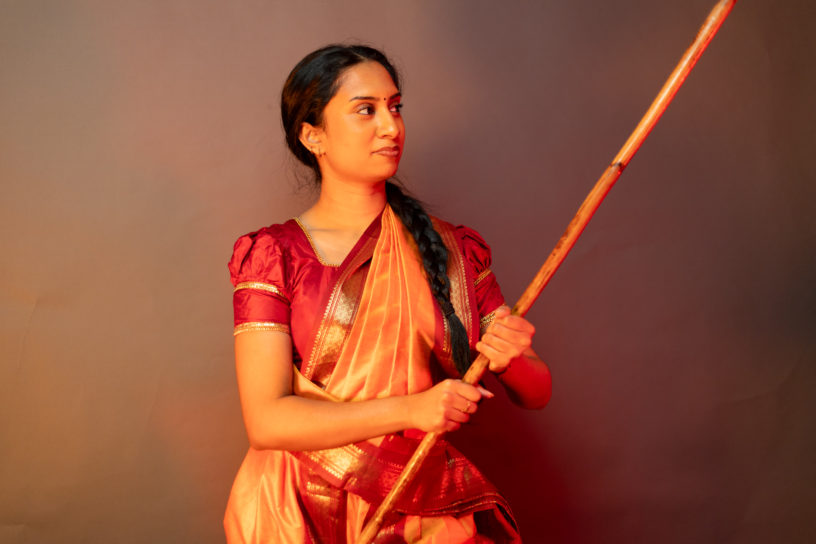
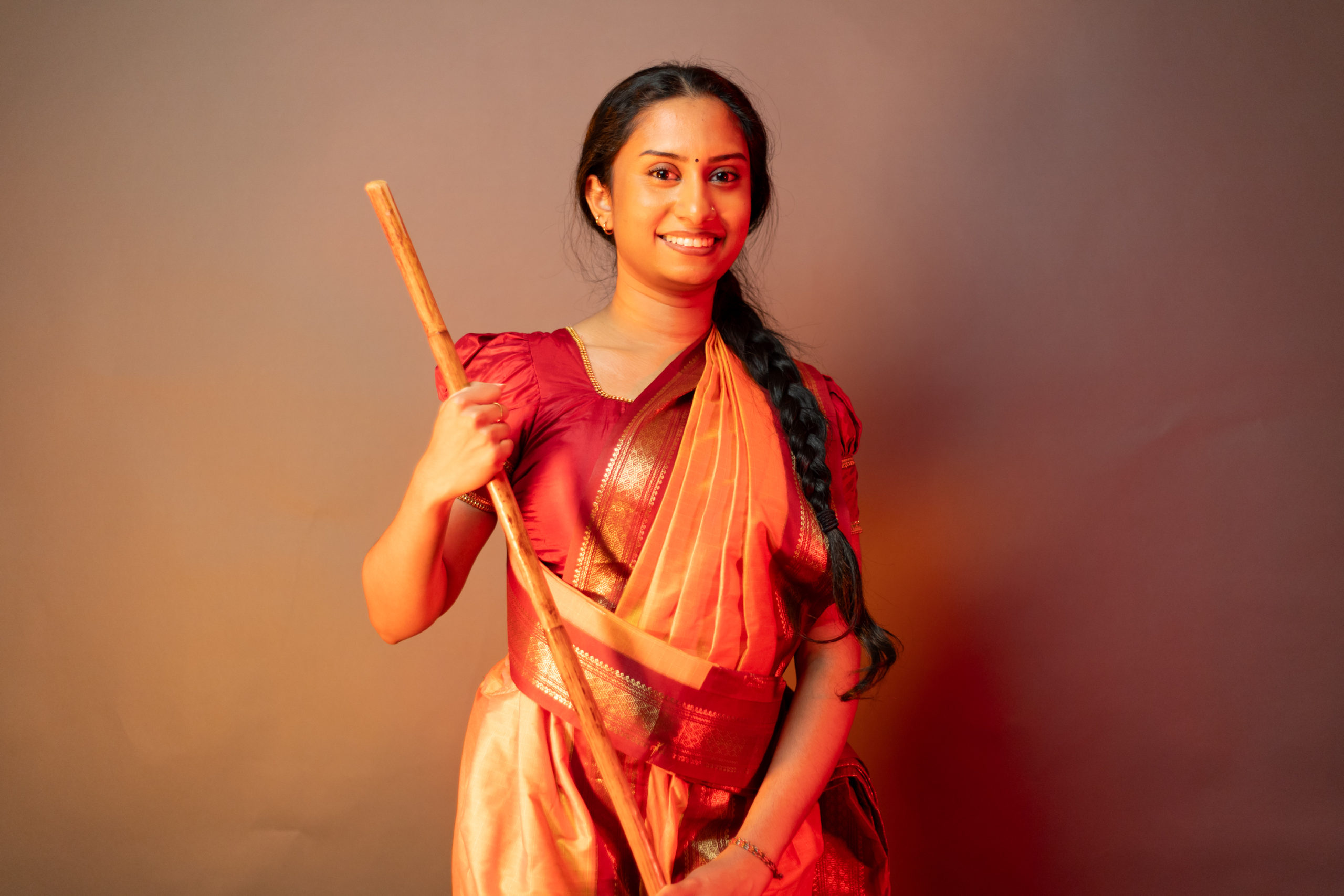
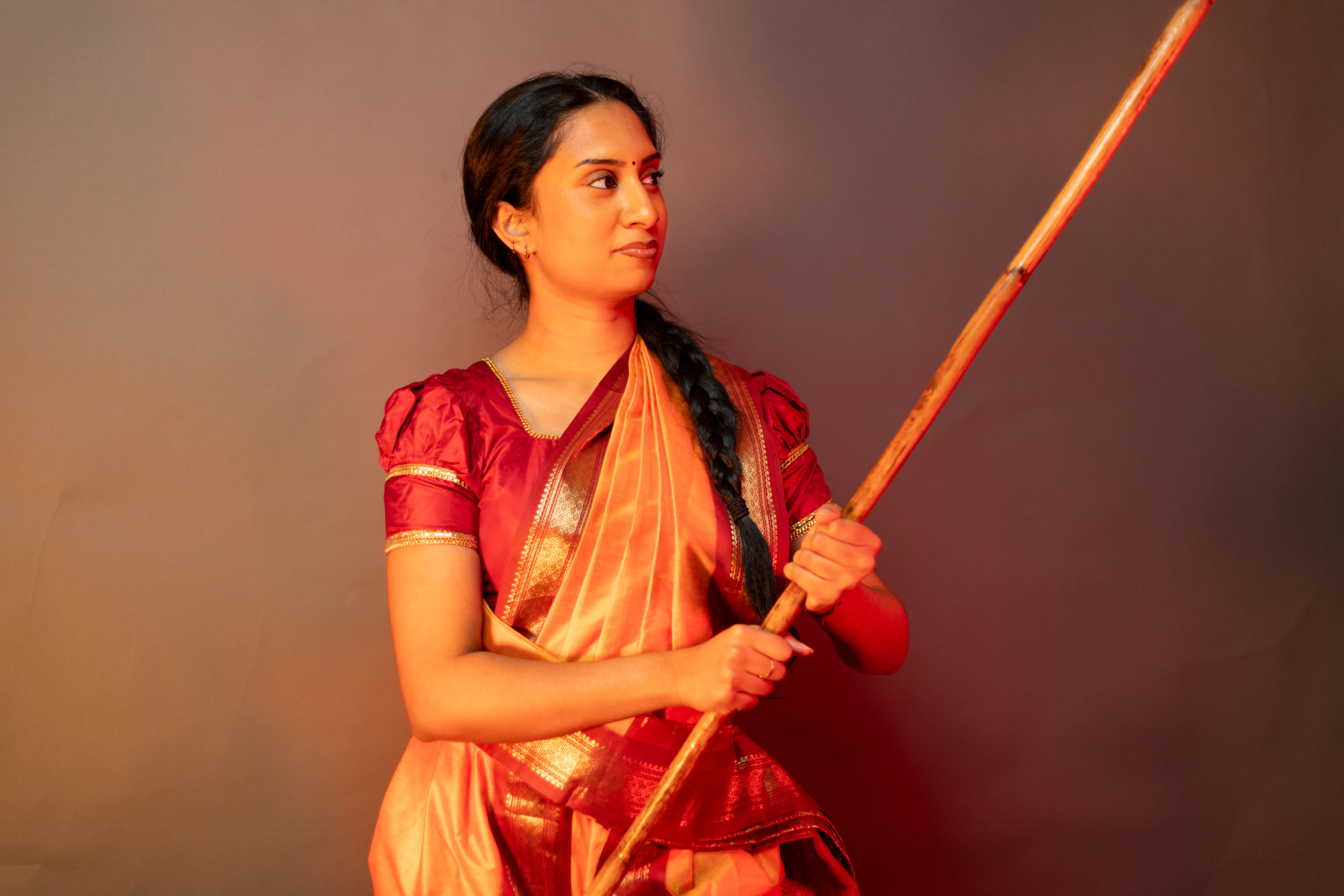
Aishvini Partheepan is a fourth-year architectural science student at TMU. She has been learning Carnatic music—a South Indian form of music—since she was five years old and Silambam—a traditional Tamil martial arts form—since she was 10.
“I did have a thing for being creative at a very young age, so when I was introduced to [Carnatic music], that was one of the main extracurriculars I did growing up,” she said.
Partheepan said learning Carnatic music has allowed her to implement tradition into her home during cultural festivals despite being born and raised in Canada.
“The unique thing about [Carnatic music] is that there’s always a composition [about] a certain part of our culture,” said Partheepan. She recollects singing songs for Thai Pongal celebrations, a Tamil harvest festival in January.
According to Britannica, Carnatic music is an ancient form of South Indian classical music closely linked to Hinduism. This form of art carries the long history of the Tamil language and the principles of Hinduism through compositions.
Purandara Dasa, also known as the Father of Carnatic music, was a composer and poet from the 15th century. He established the teaching structures of Carnatic music and composed a number of pieces that students like Partheepan still sing.
Saibruntha Arunthavashanmuganathan, a Carnatic music artist and teacher at Saibruntha, The Conservatory of Carnatic Music, stresses the need to pass down ancient Tamil compositions.
“I think it’s so important for [students] to understand where they come from, where our roots lie, what our traditions talk about and what our culture truly is,” she said.
Arunthavashanmuganathan said the most rewarding part about being a Carnatic music teacher is being able to pass down generations of knowledge to the next generation.
“There’s never a class when I haven’t taught something new […] That means everything because I know that in the future, if [my students] ever decide to carry it forward or if they were to perform it, teach it or even talk about it amongst their peers, I know they will be able to pass down that knowledge,” she said.
Arunthavashanmuganathan decided to pursue Carnatic music full-time after realizing that she was able to resonate with her Tamil culture through it, especially being a child of parents who left a war-torn country.
“[It] started off as a passion […], as I grew older, I started to understand that this is storytelling, it’s not just art,” she said.
For Partheepan, Carnatic music has served as a foundation in encouraging her to explore other forms of music including Western styles, deepening her love for it.
“Music is always something that I’ve drawn to whenever I’m feeling stressed, whenever I just want to sing or have some free time,” she said.
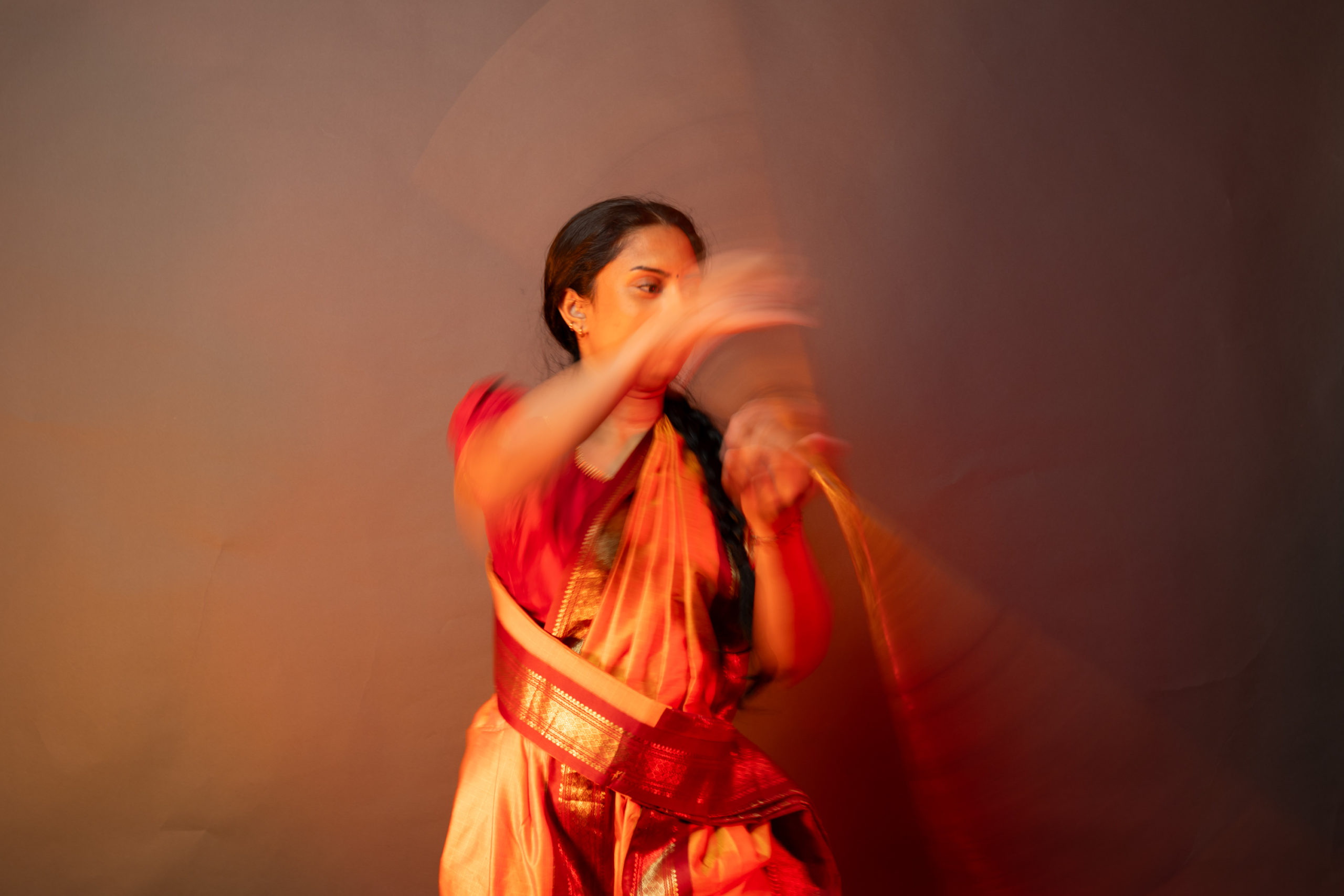
Brinthavi Sivarajasingham, a fourth-year computer engineering student at TMU can relate, but through dance.
Sivarajasingham has been learning Bharatnatyam, a classical dance form that originated in Tamil Nadu, India, since she was seven years old. She said that through learning this dance form, she has been able to learn her family’s stories and better understand her parents’ upbringing.
“Growing up, [my mom] didn’t really have the ability to complete her studies in dance. However, she really pushed me to pursue any type of passions or artistic forms outside of studies,” she said.
Partheepan, who grew up seeing her father participate in Silambam, developed an interest in the artform too. This later played a huge part in educating her about another aspect of her culture.
“The reason I got very into [Silambam] was because I started to learn more about it, how it is a Tamizhar Thatkaapu Kalai (an ancient form of Tamil Martial Art) that has been carried on [through] dynasties,” she said.
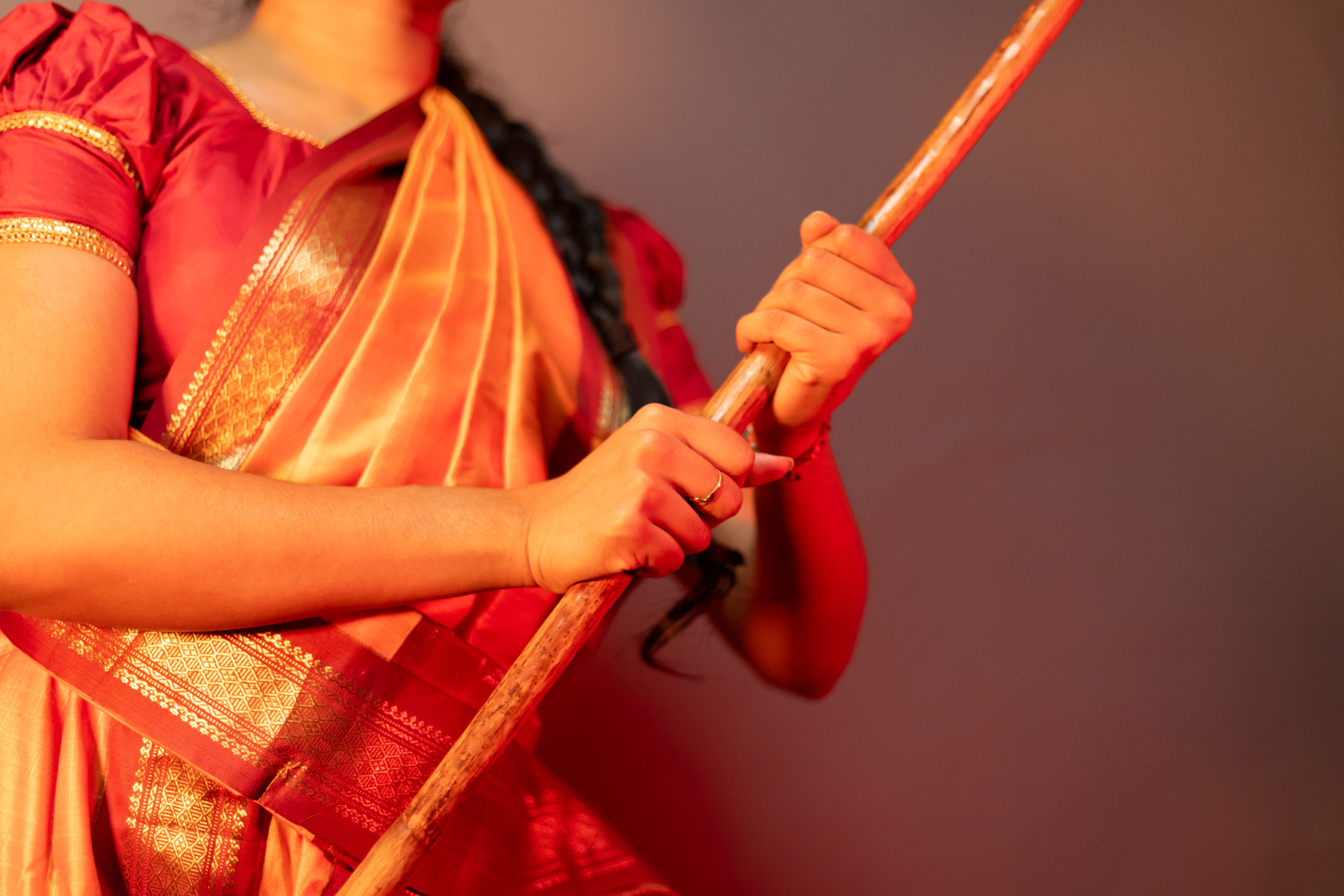
According to the World Silambam Organization, this form of martial art is practiced with a stick, often made of bamboo—individuals focus on movement and precision. Silambam dates back to the Chera, Chola and Pandya dynasties, the kingdoms that ruled parts of South India, Sri Lanka and Southeast Asia. These dynasties made Silambam mandatory for all soldiers of their militaries.
“When I learned that there is such a historic value of this form that’s been passed down ancestorwise […], I was like ‘this is actually cool,’” said Partheepan.
Despite the Silambam industry in Toronto being predominantly male, Partheepan views this as an opportunity to grow.
She said people would see herself and another female friend doing Silambam amongst many males at Tamil programs.
“It was definitely something a lot of people were intrigued about,” she said.
Sivarajasingham also added how despite loving her culture from a young age, some aspects of Bharatanatyam felt difficult, but it never stopped her from embracing her culture.
“I used to feel very embarrassed about dressing up in traditional outfits and wearing big and elaborate makeup that Bharatanatyam requires […] but as I grew older, I started to realize the beauty in it,” said Sivarajasingham.
Partheepan also noted that she faced racism attending schools that were not predominantly Tamil.
Despite this, both of them along with many other Tamil students at TMU hope to pass their traditions and culture to the future generations through these traditional art forms.
“Especially for those of us who grew up outside of our homeland, these art forms really help us stay connected to where we come from and provide us with a way to express ourselves and celebrate our heritage [while keeping] traditions alive,” said Sivarajasingham.




Leave a Reply