

By Jaymes MacKinnon
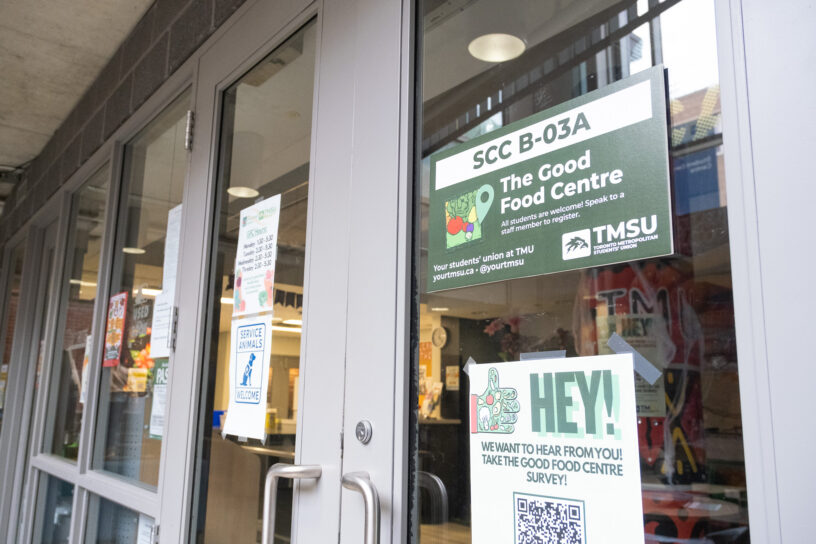
An increasing number of students are struggling with food insecurity, a new report from the Good Food Centre (GFC) has revealed.
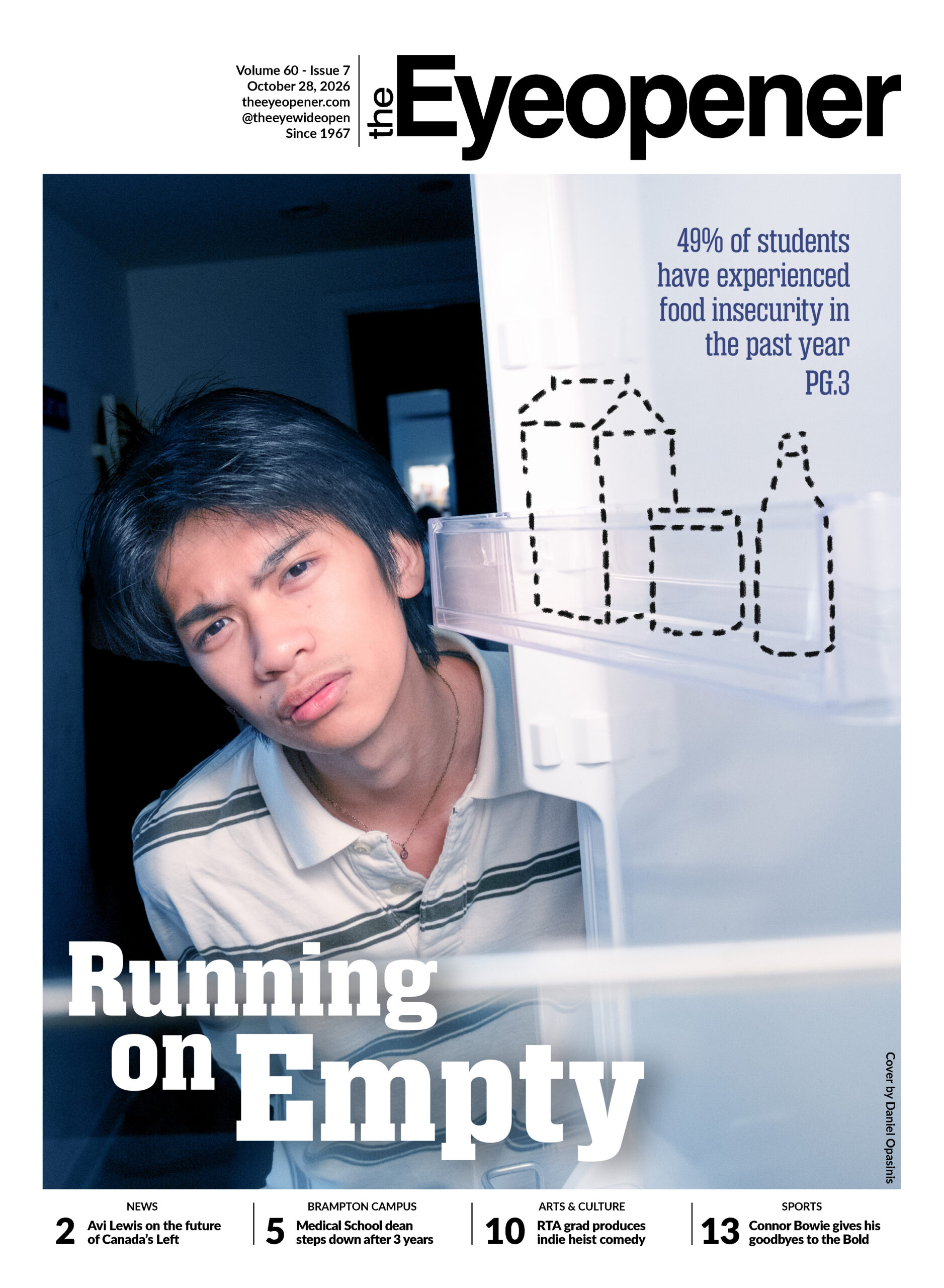
The centre’s 2026 Hunger Report found that 48.5 per cent of students have experienced food insecurity in the past 12 months. GFC, which operates as Toronto Metropolitan University’s (TMU) campus food bank, conducted the survey this past spring.
The report found many students are skipping meals because they cannot reliably afford food. According to the report, this is impacting their ability to finish work on time and fully engage in life on campus.
Most of the nearly 900 students surveyed agreed “reliable access to food would improve their academic performance.” However, the report says only 20 per cent of students surveyed had visited the centre.
The GFC is open to any TMU student who doesn’t have enough to eat, according to the centre’s coordinator, Rob Howard.
“There’s no litmus test to coming. Just show up, show us your student card and then you sign up with the Daily Bread,” he said.
Howard, who is also a registered social worker, said it’s important students feel comfortable visiting the campus food bank.
“It’s your fees that support this place, so please come and use it and feel like you have a right to do that,” he said.
According to Howard, the GFC receives the majority of its food from the Daily Bread Food Bank and the rest through donations and money collected through student fees. The GFC is run in partnership with the Toronto Metropolitan Students’ Union (TMSU).
The demand for food is rising according to Second Harvest, an organization that redirects surplus food from businesses to non-profits across Canada. Nine in 10 non-profits across their network have seen an increase in demand for food in the last year.
Similarly, Food Banks Canada has reported that a record 2.35 million people visited food banks in March 2026, more than double the usage since March 2019.
Paul Parillo, senior operations manager at Second Harvest, said organizations distributing food are facing significant challenges meeting increased demand.
“In some cases, they had to turn people away because they didn’t have enough food…it kind of paints a picture of, you know, the huge increase in need,” Parillo said.
Savie Edirisinghe, a third-year PhD student in clinical psychology, was not surprised by the high levels of food insecurity on campus. She said food insecurity should not be normalized as part of the student experience.
“I want people to see these numbers and still feel galvanized and to not accept that or tolerate that,” she said.
The rising cost of housing, tuition and a decrease in access to funding following recent changes to the Ontario Student Assistance Program (OSAP) has created “extreme circumstances” for students trying to budget, said Howard.
Yukari Seko, the director of TMU’s Centre for Studies in Food Security, says these findings are also backed up by a survey of TMU students which she led in 2024.
“At the beginning of the academic term, one in two TMU students go hungry,” she said.
Seko said ending food insecurity on campus requires “systematic” solutions from the university. She listed income accommodations, bursaries and tuition exemptions as examples of some of the supports that could help students struggling financially.
“We also think that food—healthy and nutritious and culturally appropriate food for students—are not so available on TMU[‘s] campus and nearby,” she said.
Students who are racialized, gender-diverse, disabled or do not have family financial support experience higher rates of food insecurity, the GFC report says.
Zhenya Khvatoba, a fifth-year history student and organizer with The Common Pot, called the rise in food insecurity a “humanitarian crisis” on campus.
“It’s quite atrocious and it’s horrible and, frankly, evil, because it’s a policy choice,” Khvatoba said.
The Common Pot is a student-led mutual aid group that serves free vegan soup on Wednesdays. It receives financial support from the GFC.
92.6 per cent of students surveyed by the GFC support expanding free on-campus food programs.
When Howard started his role in November 2025, there were around 70 regular weekly visits at the GFC. Now, he says 675 students are members with the GFC and the centre has around 200 visits a week.
“We undertook a big, major campaign informing the student body that we’re here,” he said.








Leave a Reply